
Rivulis Launches Educational Resource to Help Farmers Choose the Right Irrigation System for Row Crops
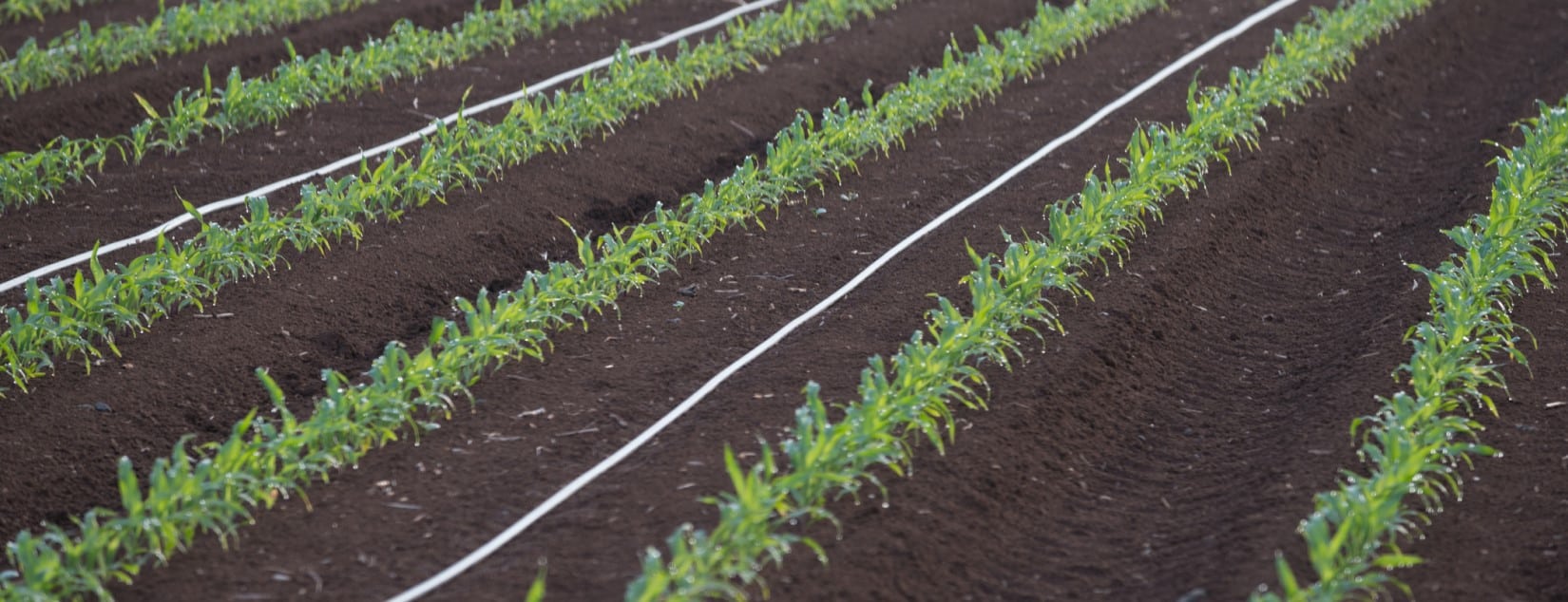
As global agriculture faces increasing pressure to optimize water use and improve land productivity, Rivulis has launched a new educational platform to help farmers make better-informed decisions about irrigation for row crops such as maize, sugarcane, and cotton.
The new Row Crops section of the Rivulis website — www.rivulis.com/row-crops/ — serves as a central hub of information for growers, agronomists, and planners evaluating irrigation strategies. Rather than promoting a specific solution, the platform presents the practical questions that farmers should be asking: What irrigation method fits the field shape, climatic conditions, and operational needs of my farm? Where does drip irrigation offer unique value? And when is it worth considering alternatives to current systems?
“We’re offering something simple but powerful: clarity,” said Matt Clift, Director of Global Product Management & Marketing, at Rivulis. “Our goal is to help farmers identify the situations where drip or subsurface drip irrigation (SDI) might offer real agronomic or operational benefits — not to sell a system, but to guide better decisions.”
A Growing Need for Custom Irrigation Strategies
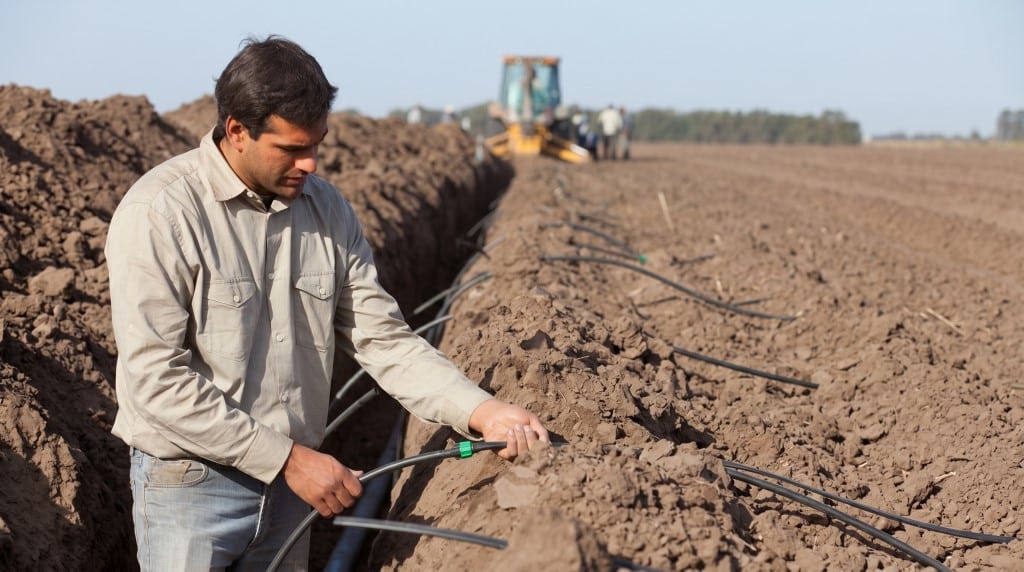
For many row crop operations, irrigation choices have historically defaulted to conventional systems. But factors such as increasing climate variability, water constraints, and diverse field topography are prompting a closer look at more adaptable methods.
The Rivulis Row Crops site outlines when drip irrigation may be a more suitable fit, based on practical field conditions. These include:
- Fields under 200 hectares, and in particular with odd shaped blocks/fields.
- Water-limited environments where every drop matters.
- Sloped or uneven terrain, where pivot systems lose coverage or become impractical.
- Regions exposed to high winds or heat, where evaporation losses from pivots are pronounced.
Rather than offering general advice, the platform connects these field conditions to real-world results. In Argentina, for example, over 12,000 hectares of row crops are already irrigated using SDI, with farmers reporting improved crop uniformity, efficient water use, and the ability to irrigate challenging plots. In Brazil, drip systems have been successfully introduced in irregular fields where traditional pivot irrigation could not practically cover the full field area easily.
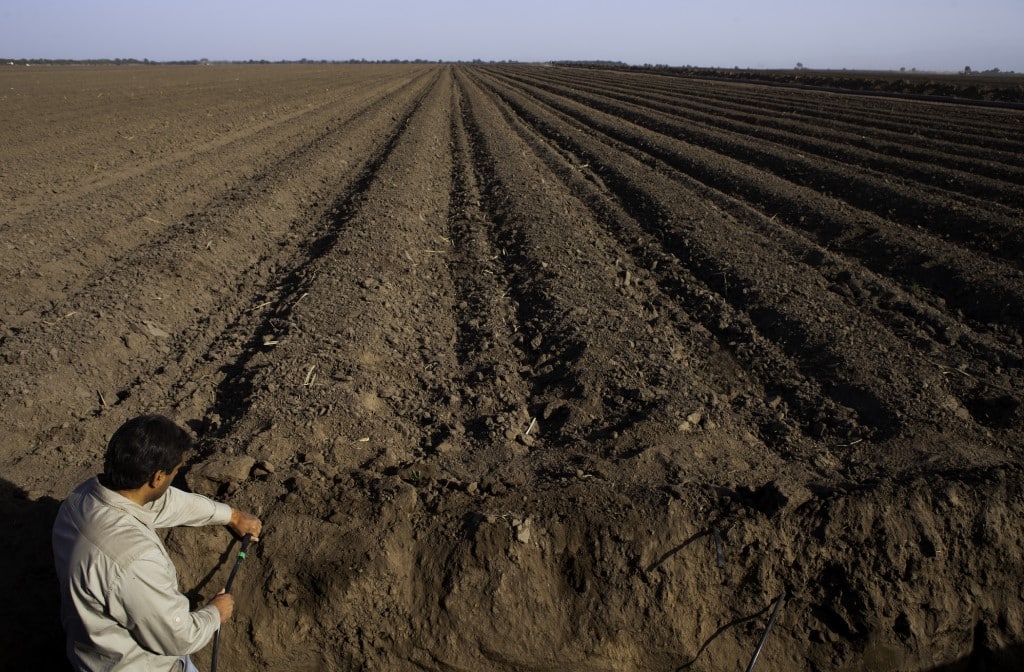
The platform includes case studies, frequently asked questions, and step-by-step guides tailored to those exploring a transition to drip or SDI. It also provides evaluation tools for identifying whether a field layout, crop type, and environmental setting are likely to benefit from switching systems — or if the existing setup is already optimal.
“The platform doesn’t tell you what to choose — it helps you understand what’s best for your land,” added Clift. “It’s about making irrigation decisions that are based on performance and conditions, not assumptions.”
Supporting Informed, Sustainable Choices
As resource pressures increase and growers are asked to do more with less, precision and adaptability in irrigation systems will become more important than ever. The Rivulis Row Crops site provides an evidence-based starting point for farmers asking not just what works, but what works best for me?
To explore the resource and learn more, visit: www.rivulis.com/row-crops/
Discover more