Choose Language

Rivulis Climate Program

Good for farmers, good for the planet.

In 2022, we launched a new service offering – Rivulis Climate – to give farmers access to the carbon farming opportunity and advance a more sustainable agriculture.

 Rivulis Climate was created to give farmers access to the Voluntary Carbon Market (Carbon Credit) and to support the adoption of sustainable farming practices.

 The Rivulis Climate program is an opportunity to partner in transitioning to more sustainable farming. Rivulis Climate is designed to help farmers benefit from the Voluntary Carbon Market (VCM), a US$2bn market in 2022 that could become $50bn by 2030.

Launched in 2022, Rivulis Climate helps farmers adopt more sustainable practices and access the Voluntary Carbon Market (VCM).

  • Supports the transition to sustainable farming.
  • Enables farmers to access the VCM and benefit from carbon farming.
  • Connects farmers to a market worth about US$2 billion in 2022 and projected to reach up to US$50 billion by 2030.

What would we like to achieve together?

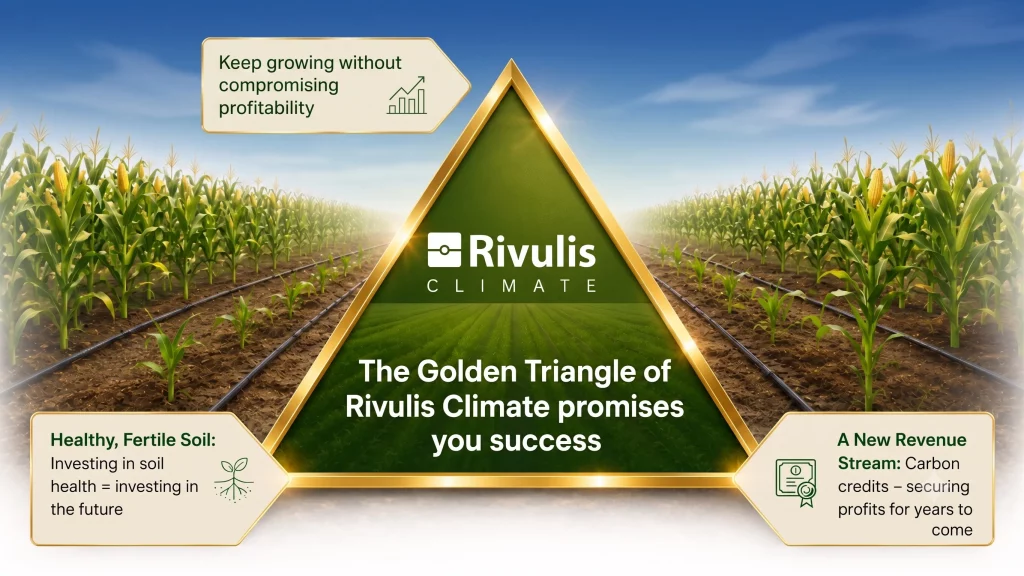
Our primary goal is to create three key impacts: lower greenhouse gas emissions, increase soil organic carbon (SOC), and increase woody biomass.

We also aim to support water conservation, enhance biodiversity, and deliver positive social impact.
What are the challenges with the VCM?

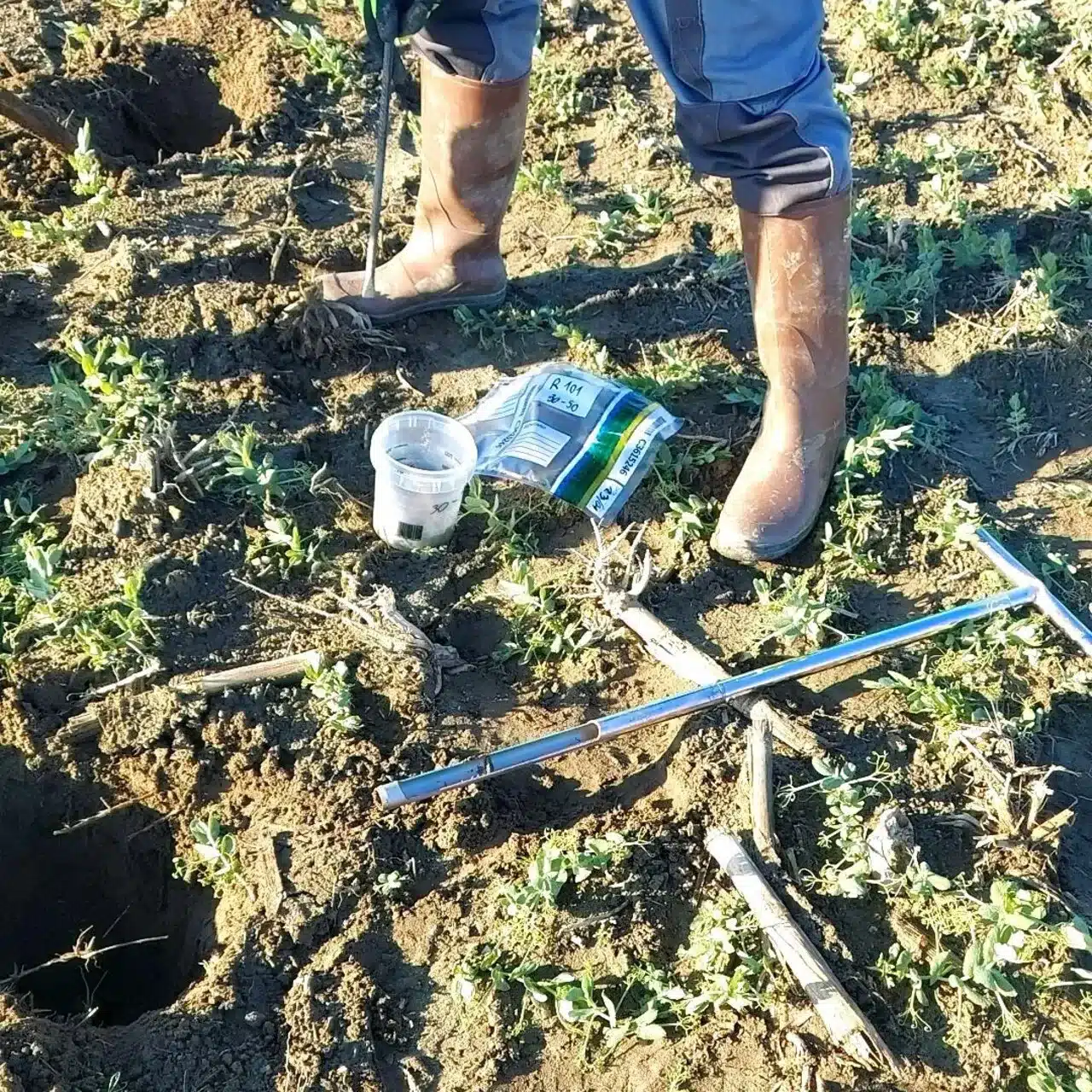
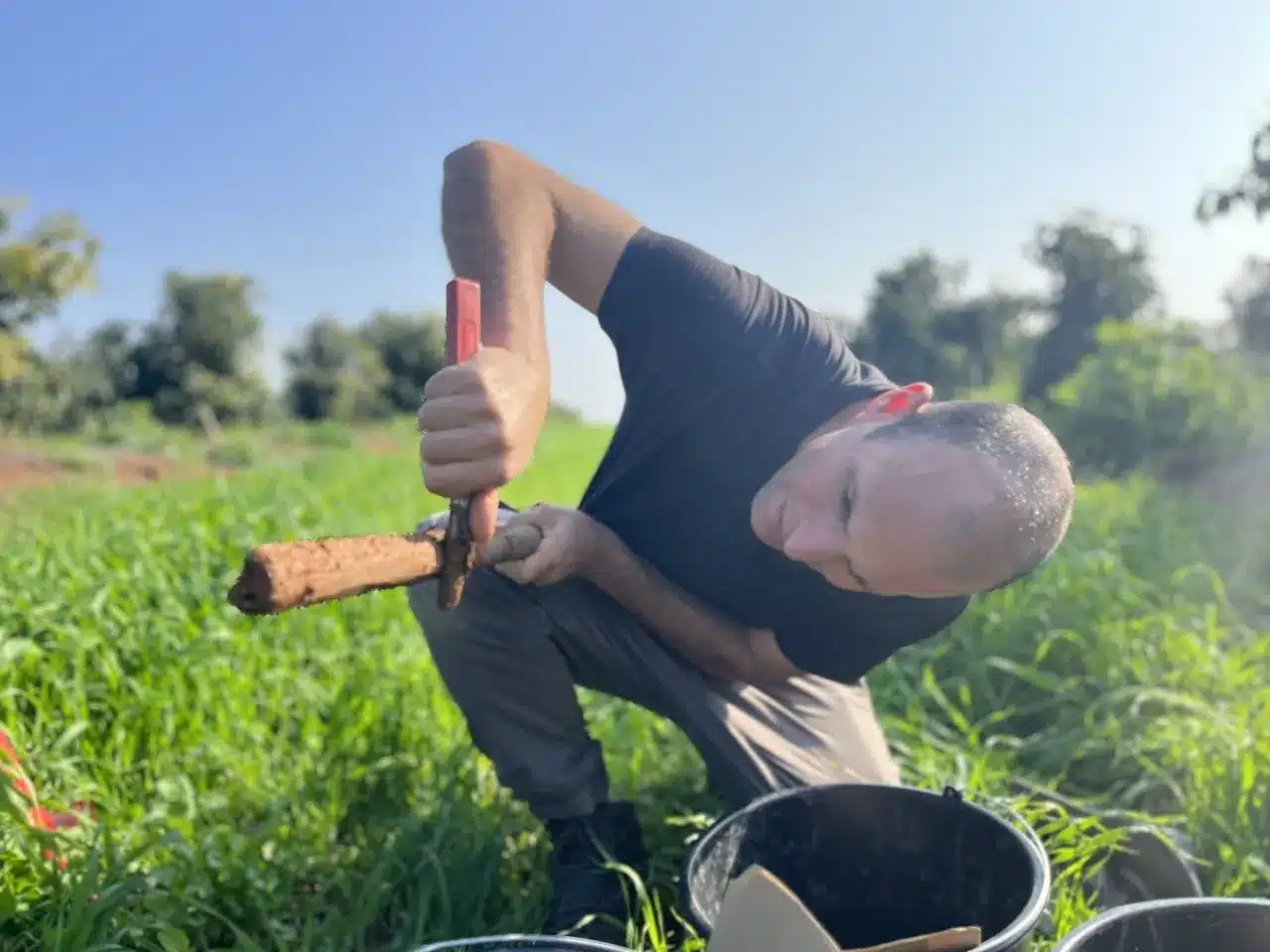
Agricultural VCM projects are still new, costly, complex, and time-consuming, making them difficult for farmers to access. At Rivulis Climate, we manage the entire process for you, from project documentation and outcome measurement to independent auditing. Once carbon credits are issued, the benefits are shared with you.

Climate benefits:

Agronomic support

Identify the right carbon projects with the farmers and maximize their potential

Carbon project registration

Register the project with a carbon registry. Lead validation and verification with a third-party auditor

Carbon Credit benefits

Issue and sell carbon credits. Share the proceeds with the farmer

Adopting sustainable practices

Experienced agronomists to support the project and constant field work to improve our protocols

Good for your farm and the planet

Adopt proven practices that improve soil health, optimize water use and generate positive environmental outcomes.

Download our introductory guides to Rivulis Climate

Choose Version
  • English
  • French
  • Portuguese
  • Spanish
  • Italian
  • Hebrew
  • Vietnamese
  • Romanian

Projects

Rivulis Climate Row Crops in Italy (RCRC)

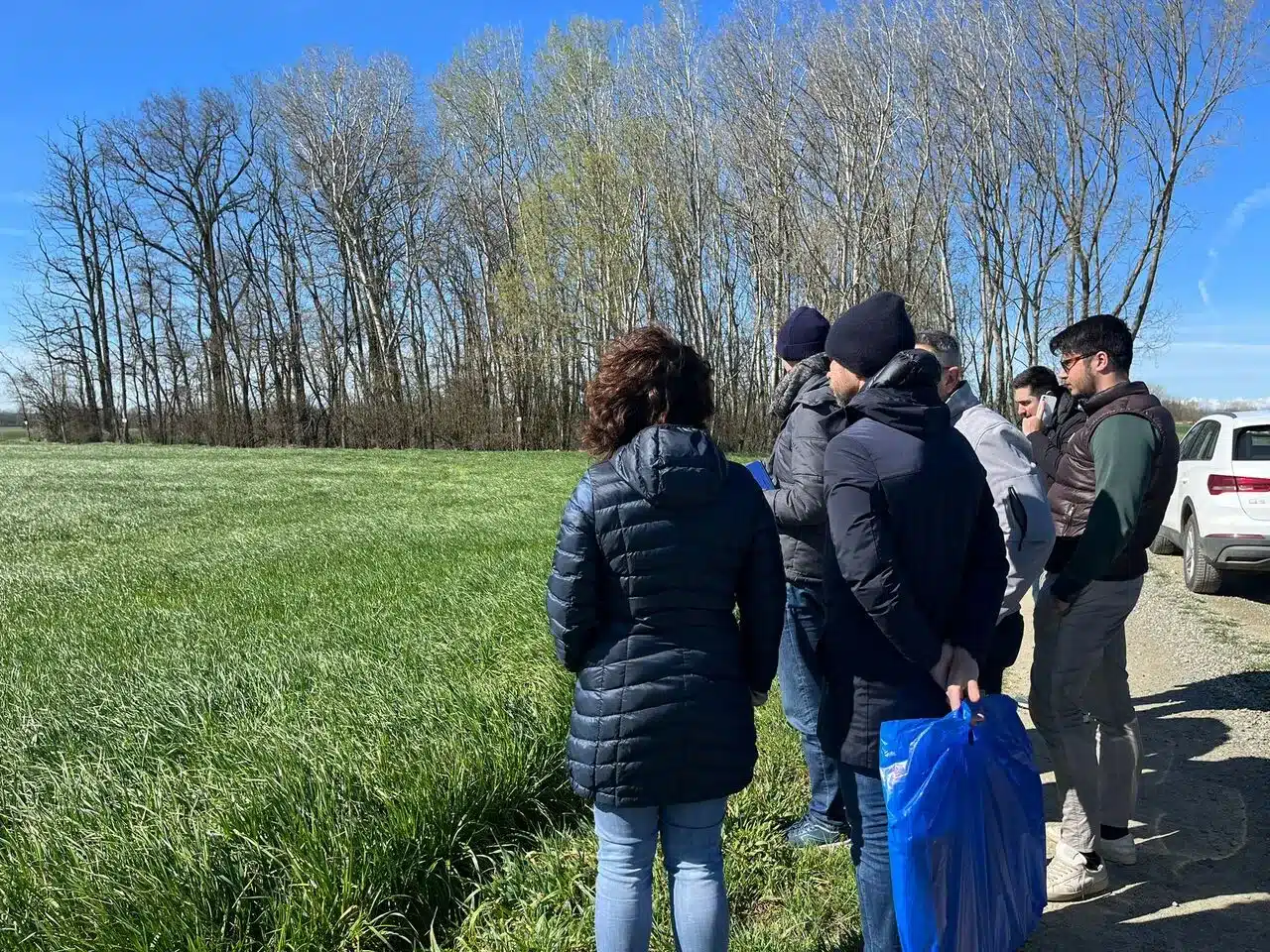
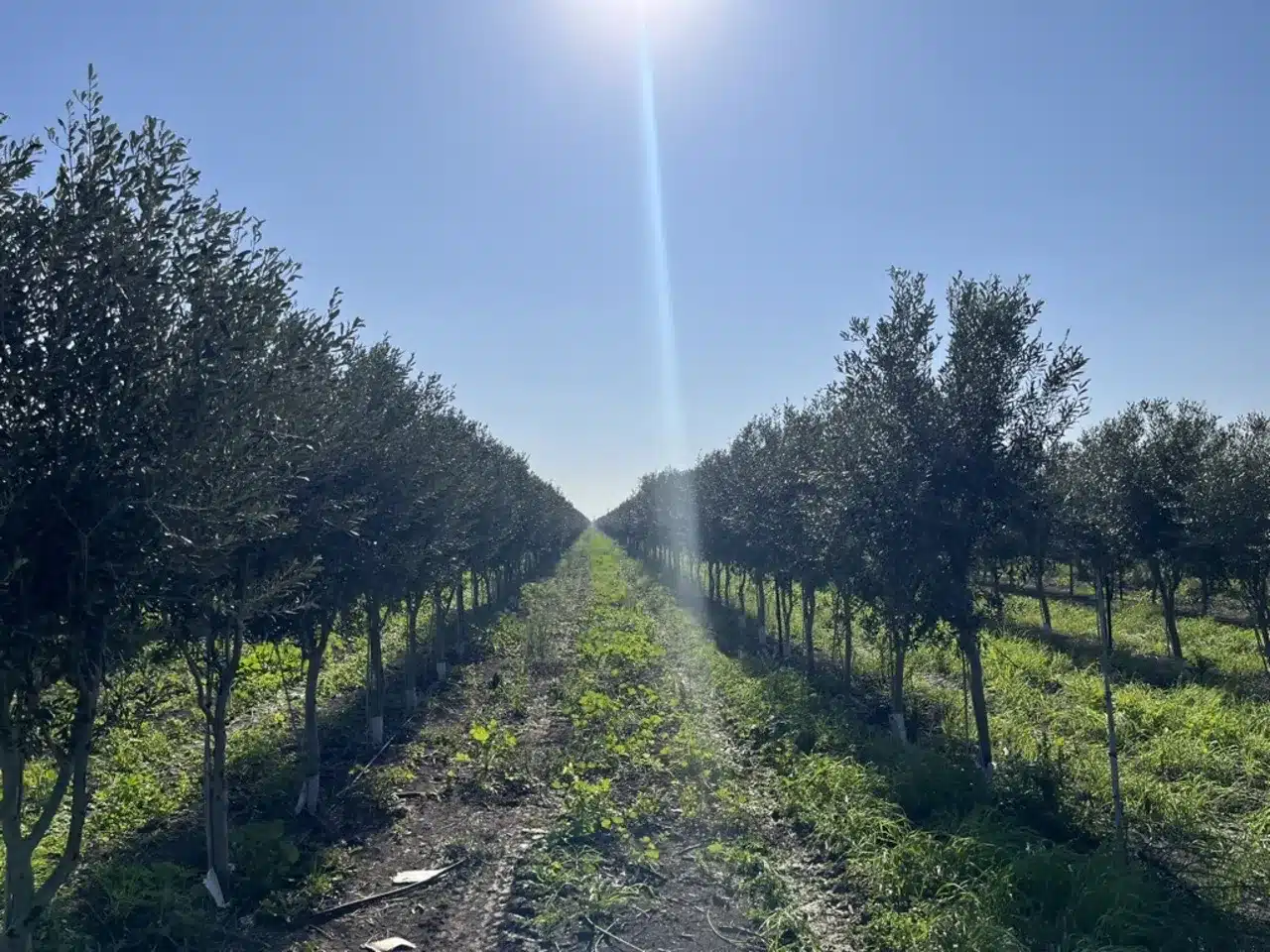
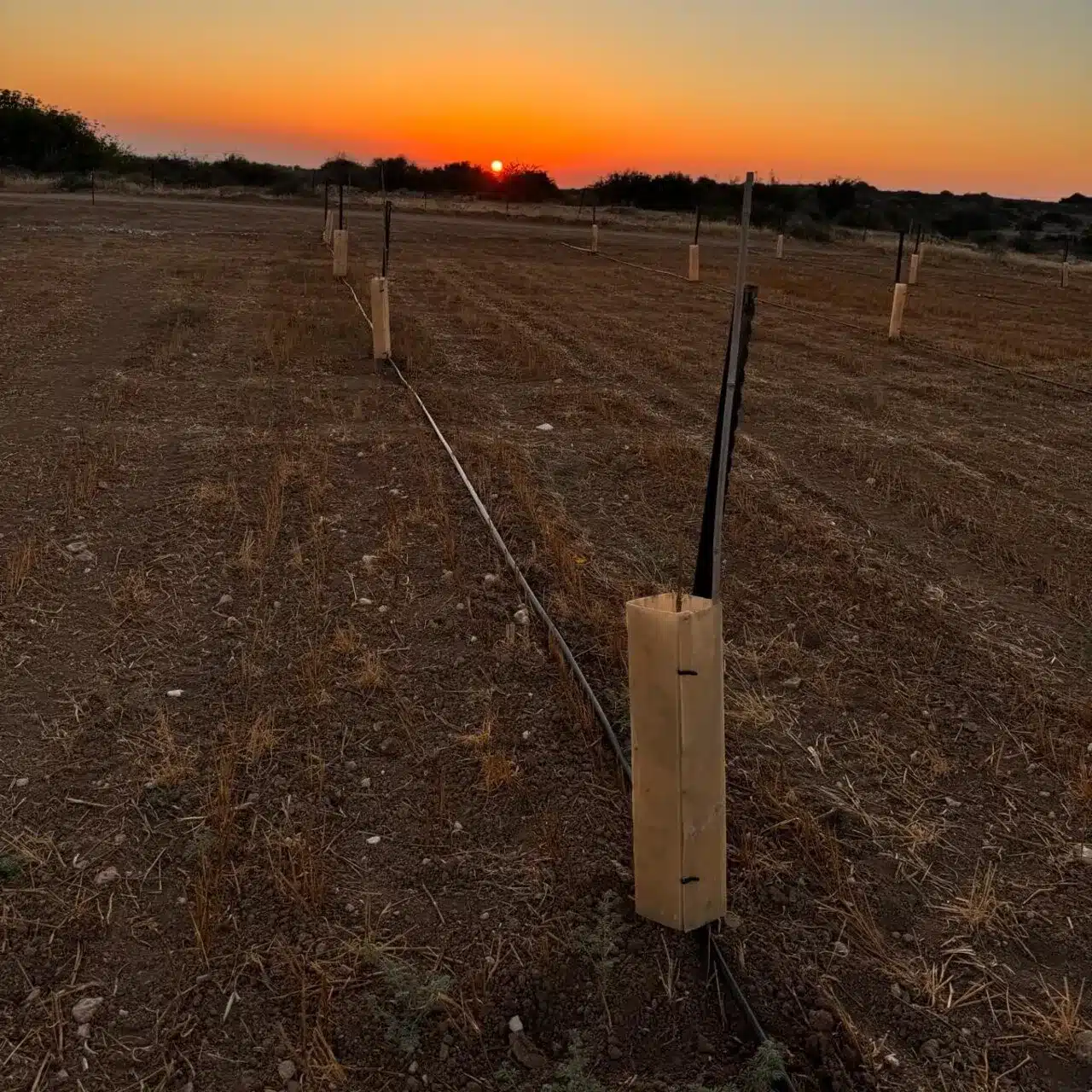
This flagship Rivulis Climate project supports Italian growers on their journey from conventional row crop farming to regenerative agriculture. Working closely with farmers, Rivulis Climate helps implement practices such as reduced tillage, cover crops, organic compost, drip irrigation, and fertigation, creating a gradual, practical transition that fits real farming operations. The result is healthier soils, more efficient use of resources, greater farm resilience, and measurable climate benefits, demonstrating how agriculture can evolve without compromising productivity.
Location
Italy
Area [ha]
3,441
  • 6,000 tCO2e/project/yr
  • 13 Growers participating

Agrisolero Carbon Farming in Northern Italy (ACFNI)

This pilot project marks the first step in Rivulis Climate's vision for regenerative agriculture in Italy. Working alongside a single farmer, the project supports the transition from conventional row crop cultivation to regenerative practices, including reduced tillage, cover crops, organic compost, drip irrigation, and fertigation. By testing and refining these approaches under real farming conditions, the project demonstrates how practical changes in the field can improve soil health, strengthen farm resilience, and generate measurable climate benefits.
Location
Italy
Area [ha]
82.5
  • 290 tCO2e/project/yr
  • 1 Growers participating

Sustainable Perennial Orchards in Israel (SPOI)

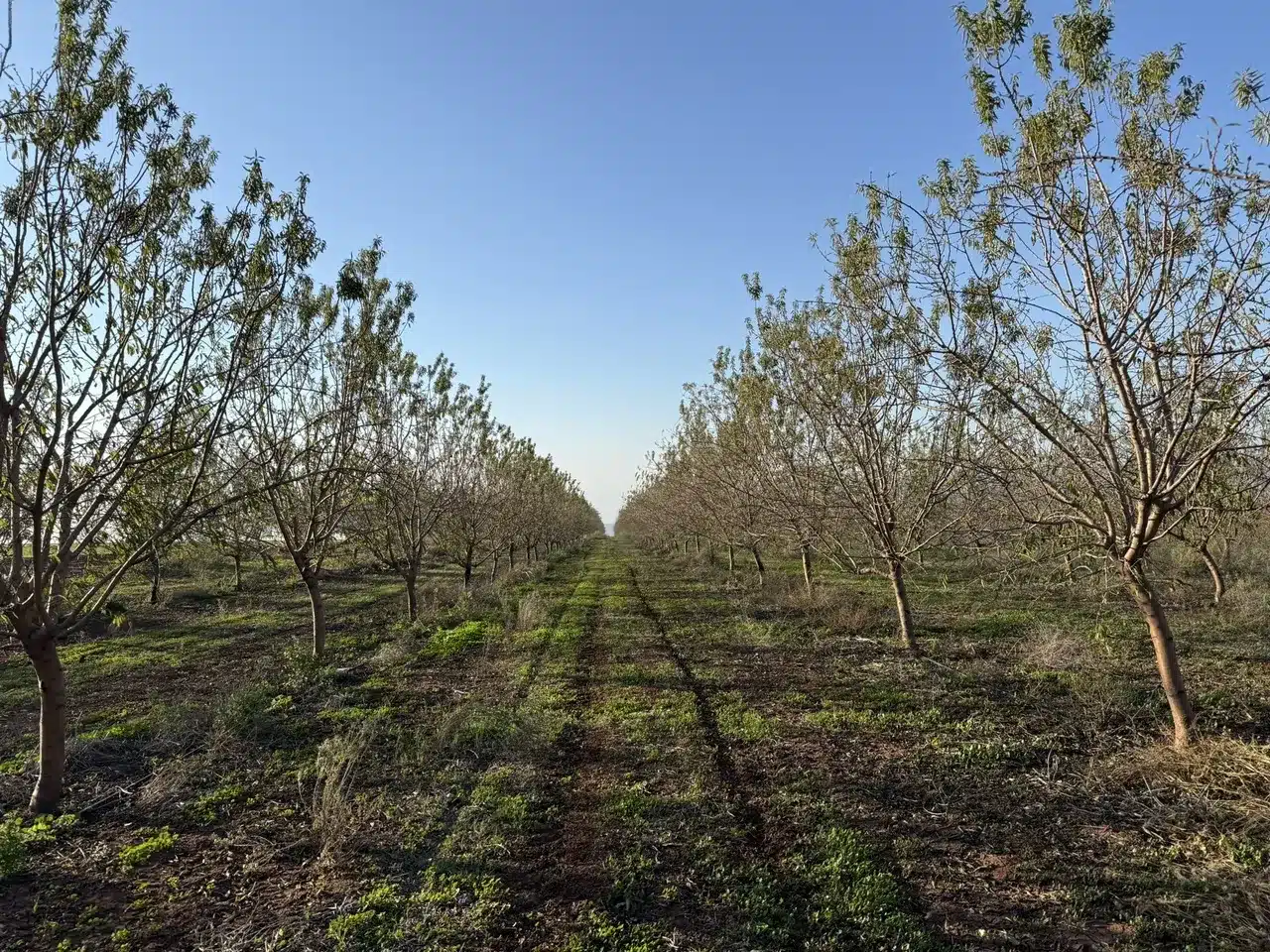
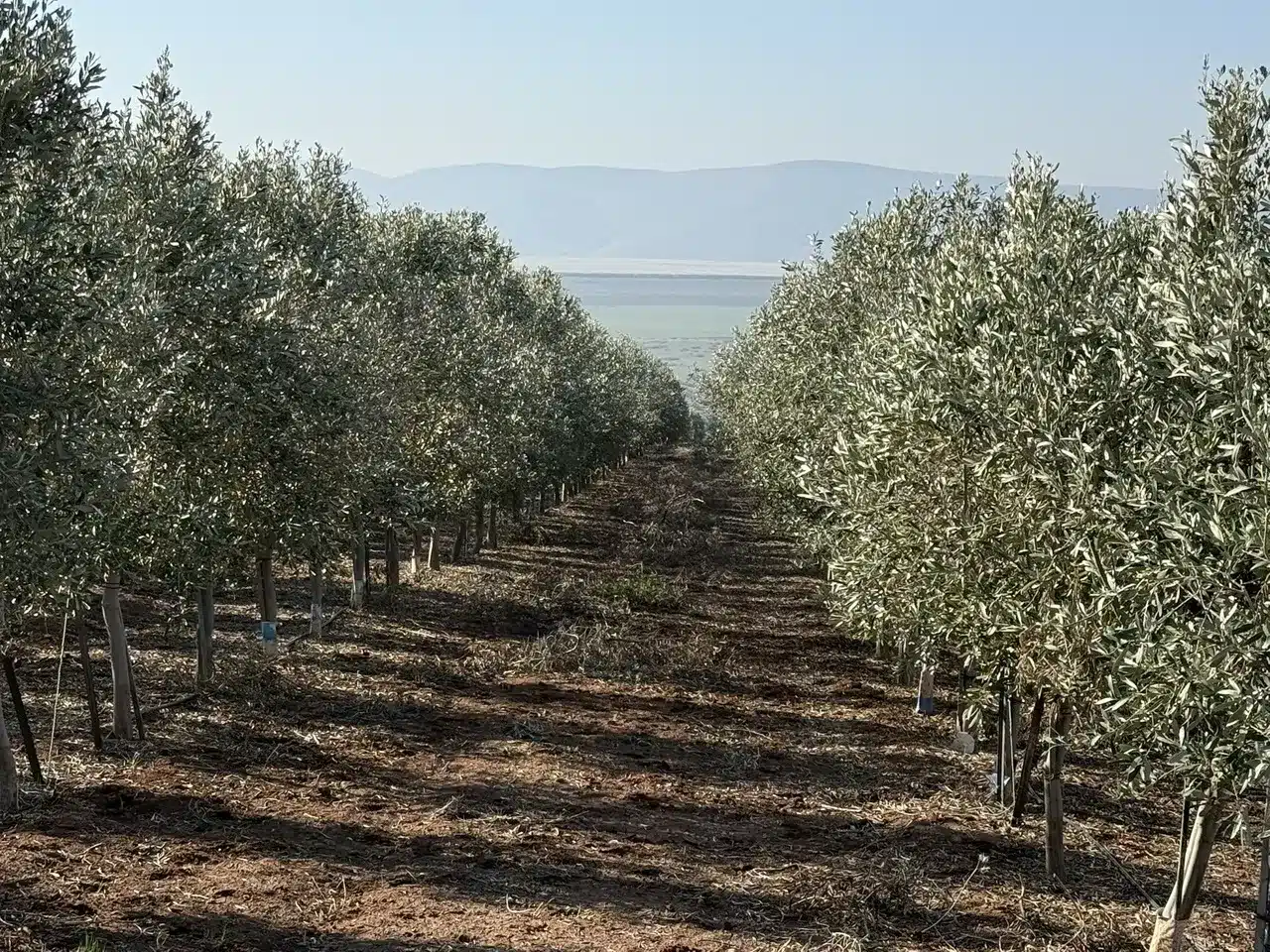
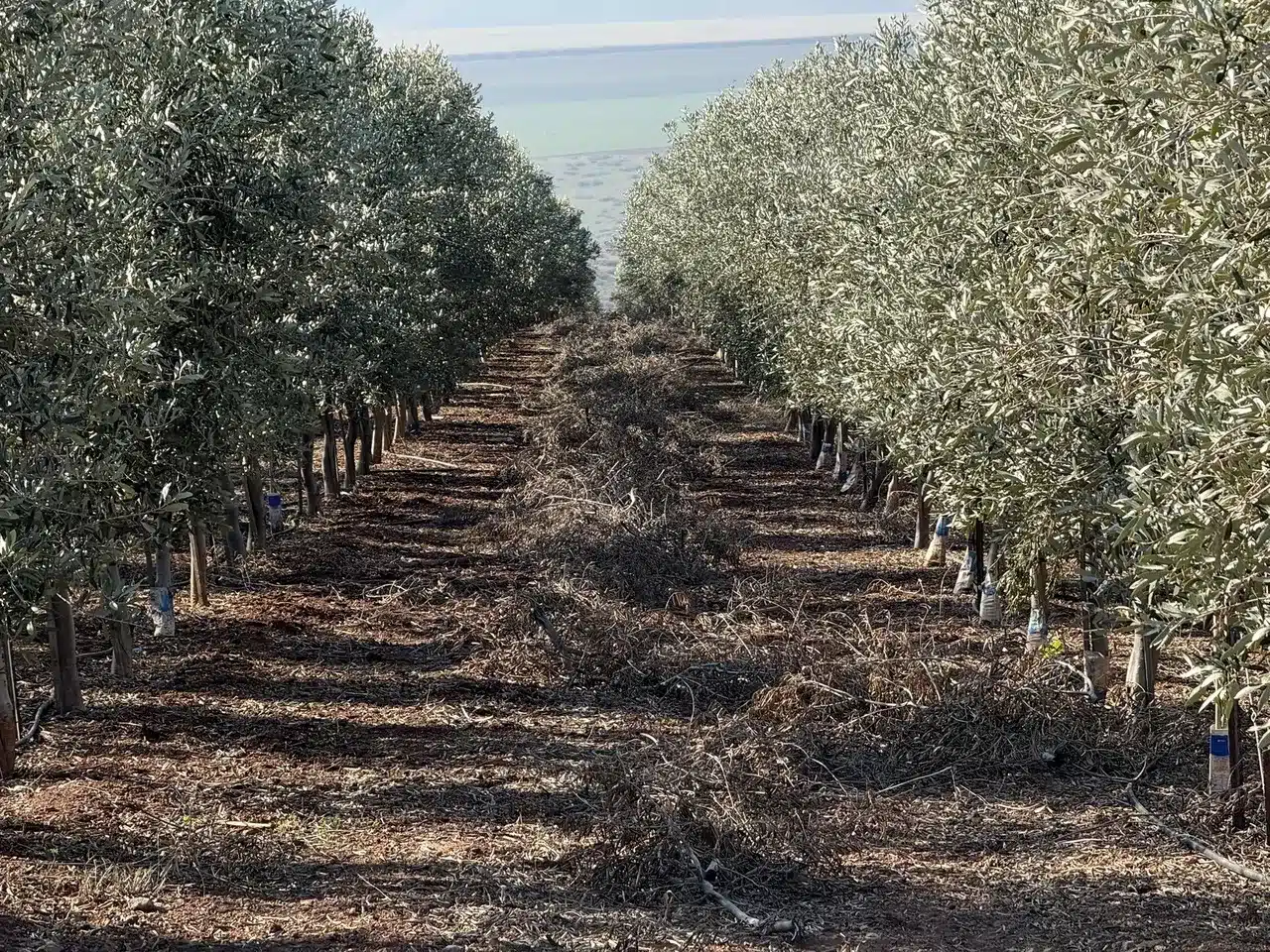
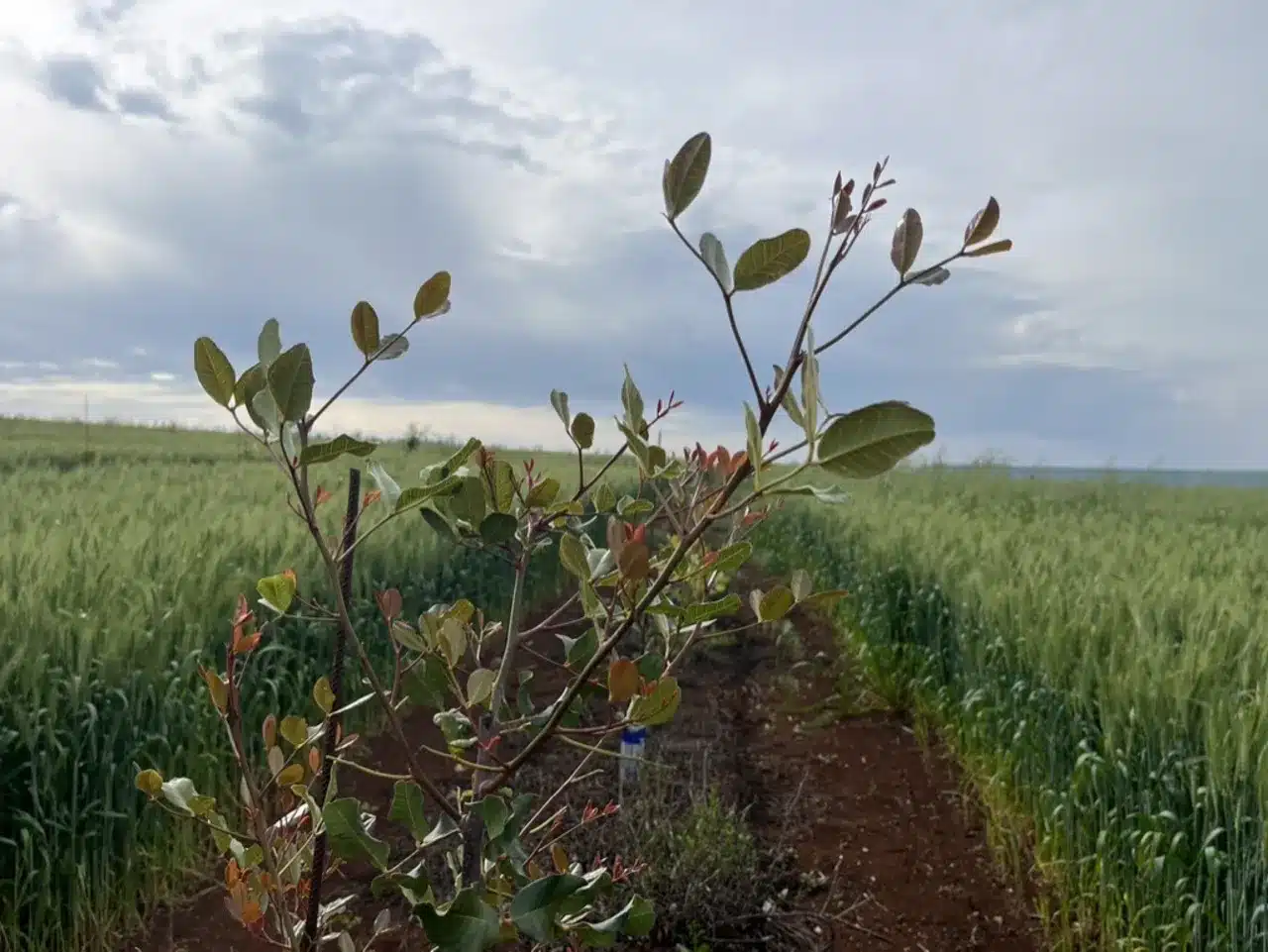
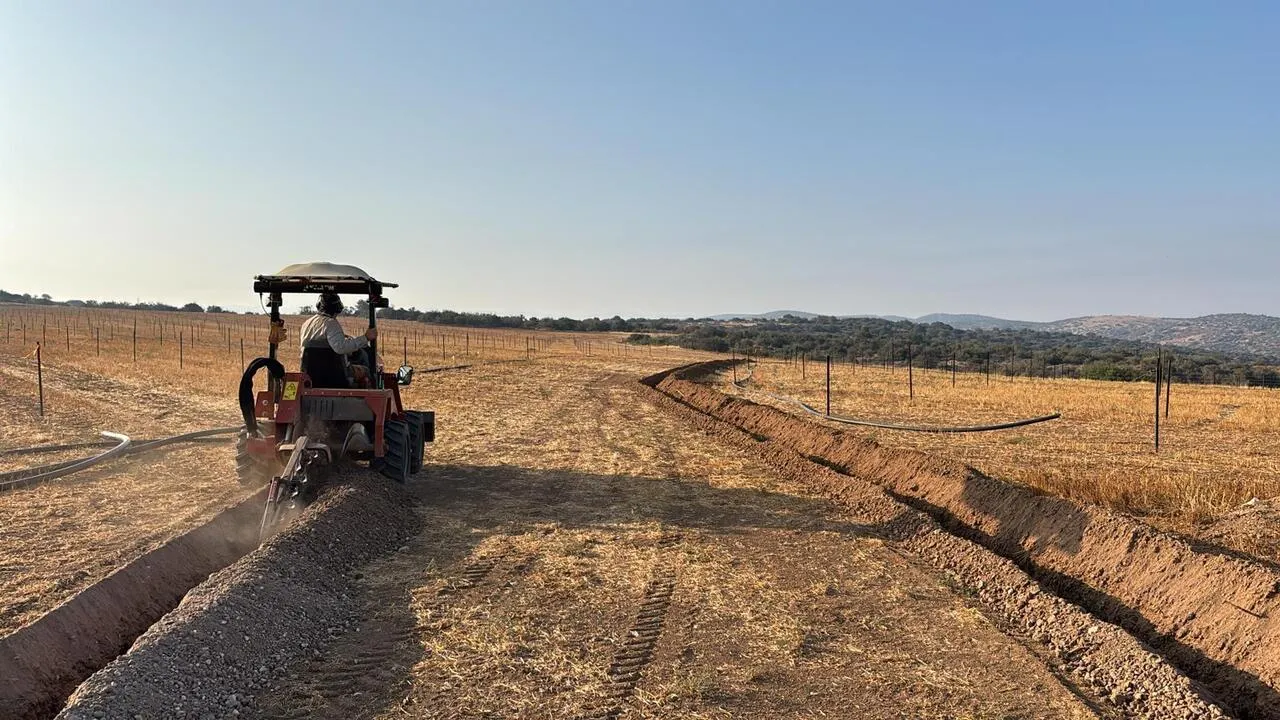
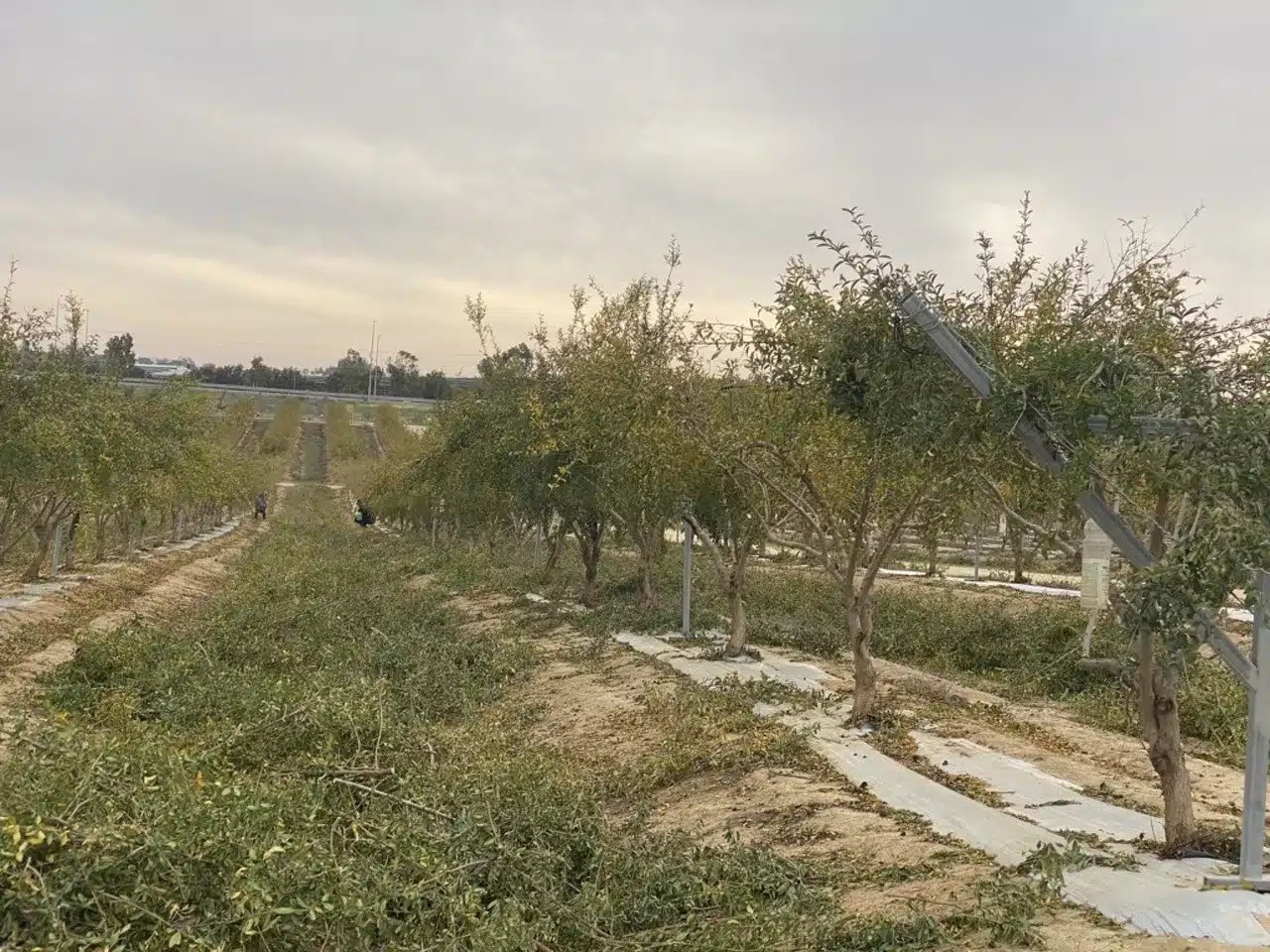
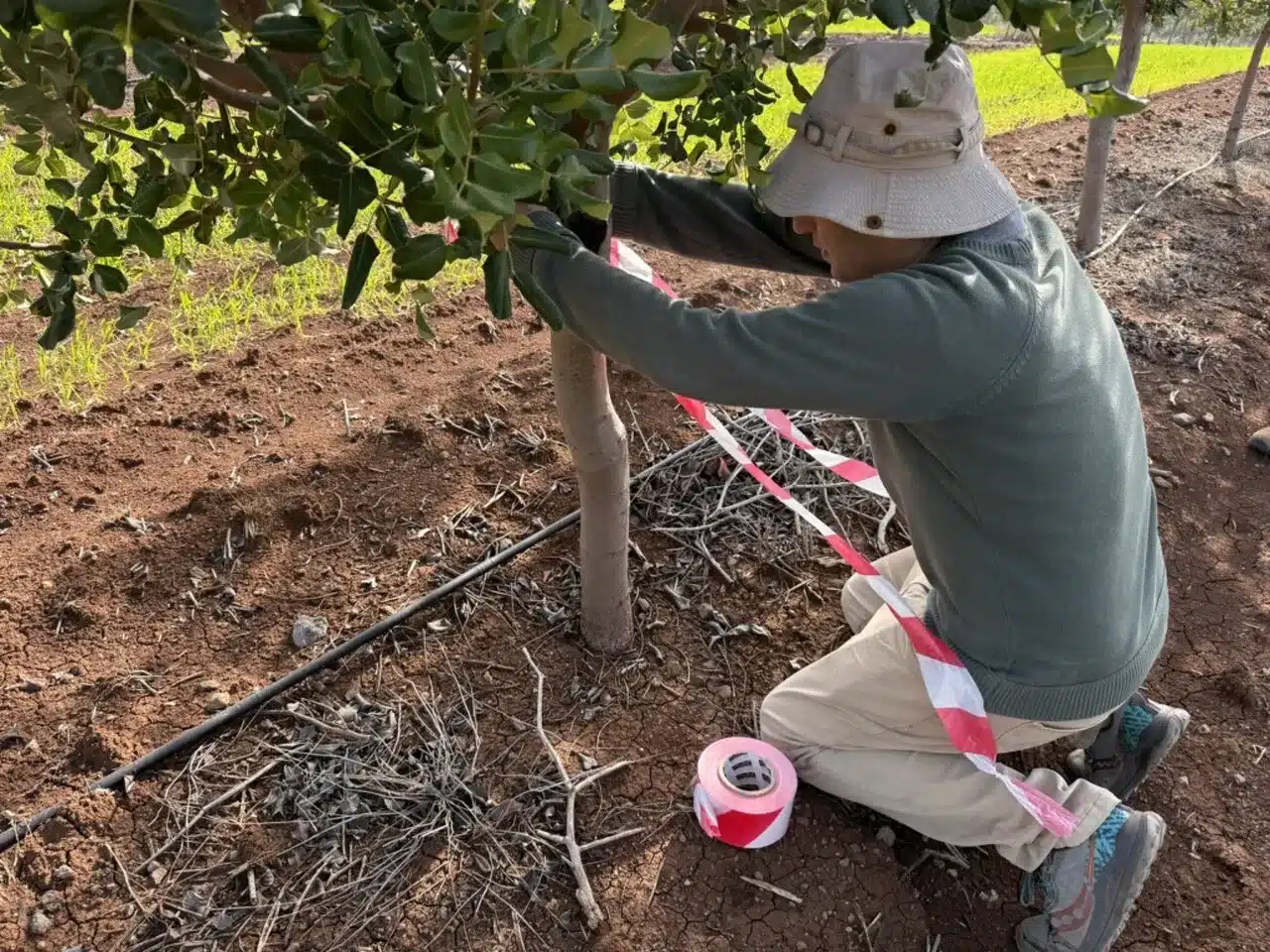
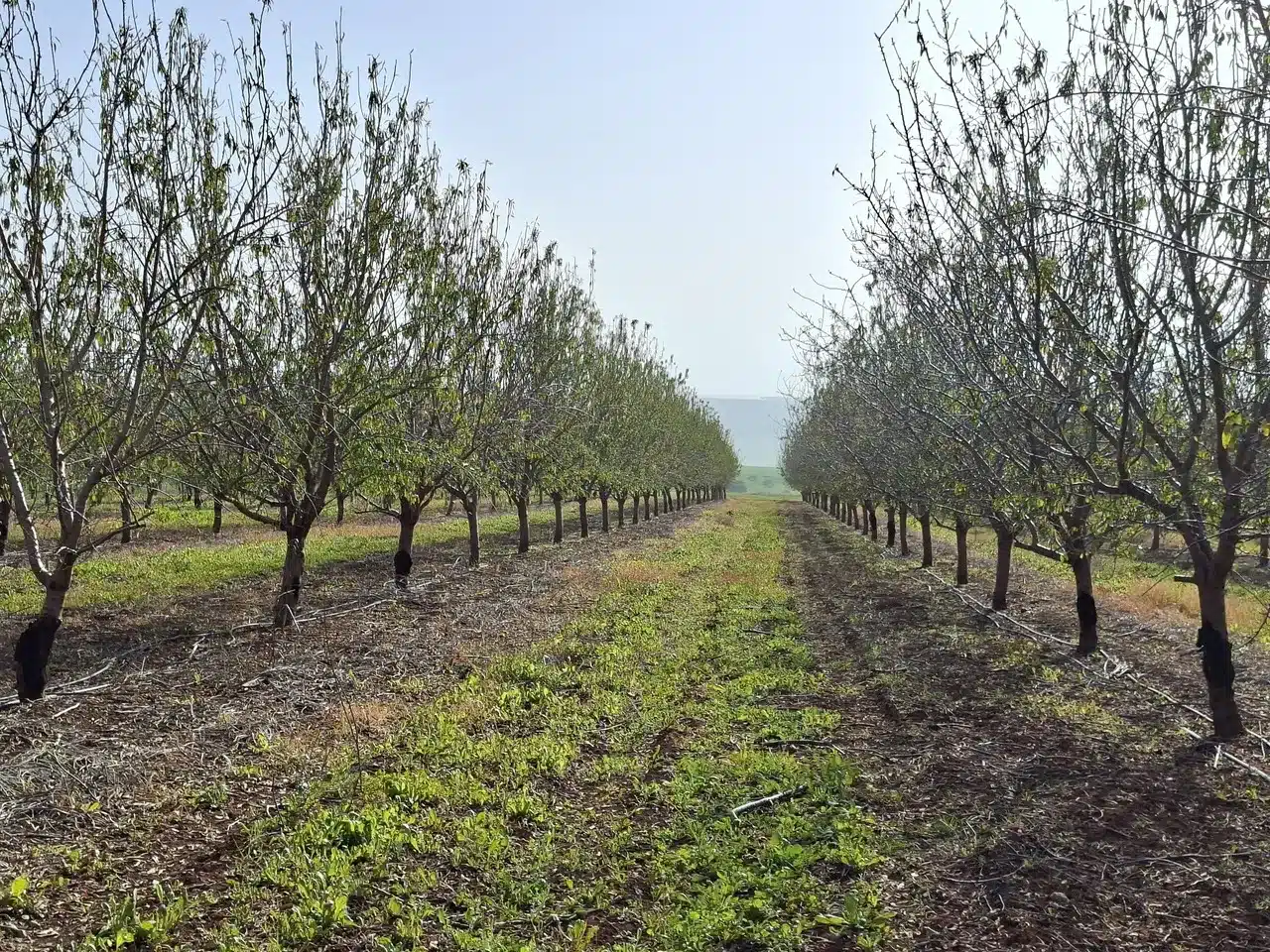
This pioneering Rivulis Climate project supports growers across Israel in transforming agricultural landscapes through the transition from intensive row crop cultivation to fruit and nut orchards, including olive, almond, carob, and pomegranate trees. By combining micro-irrigation and fertigation with practices such as intercropping and the incorporation of plant residues into the soil, the project helps build healthier soils, improve water-use efficiency, and create more resilient farming systems. The result is a long-term approach to agriculture that delivers value for growers while generating measurable environmental and climate benefits.
Location
Israel
Area [ha]
255
  • 902 tCO2e/project/yr
  • 9 Growers participating

Avocado Agroforestry Project in Israel (AAGPI)

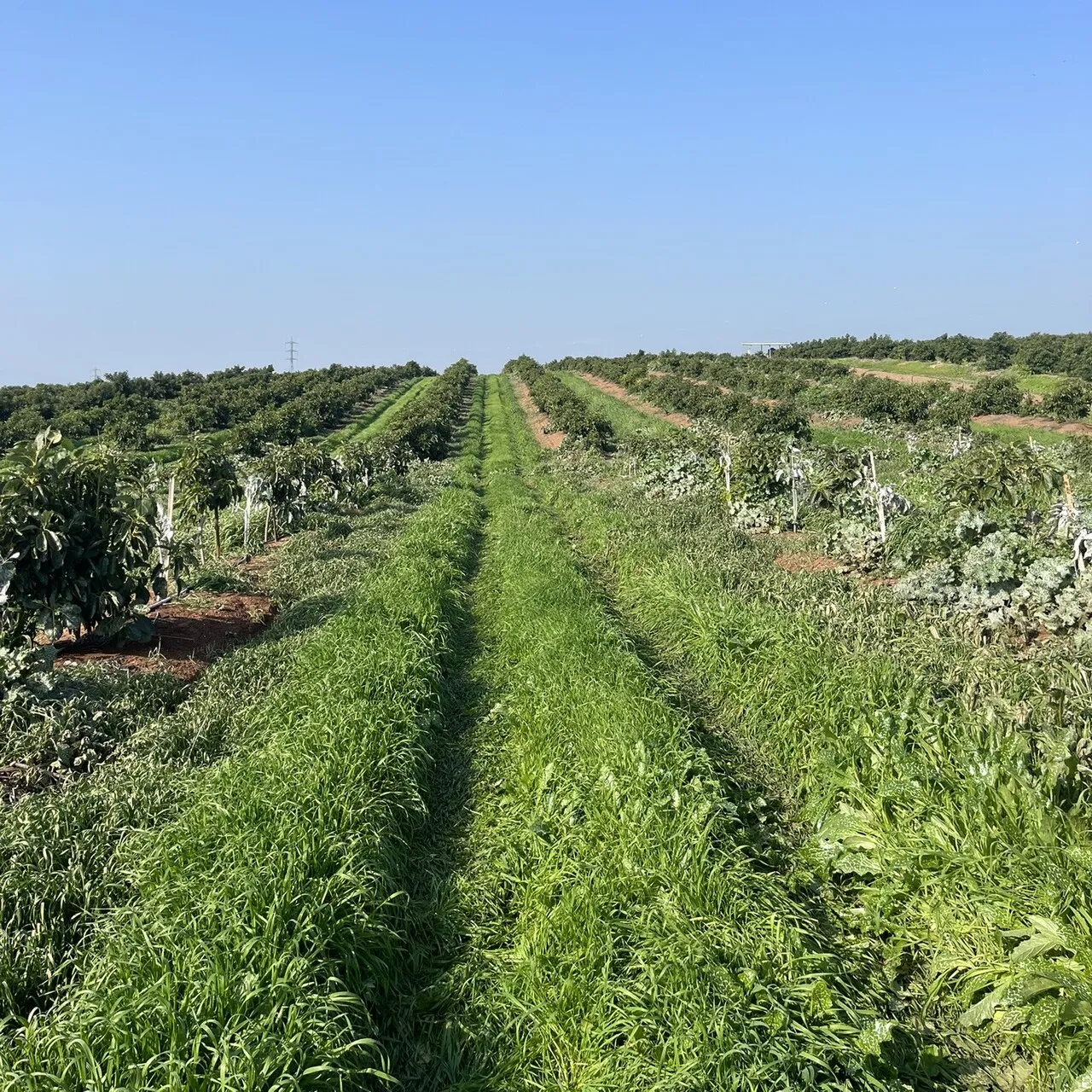
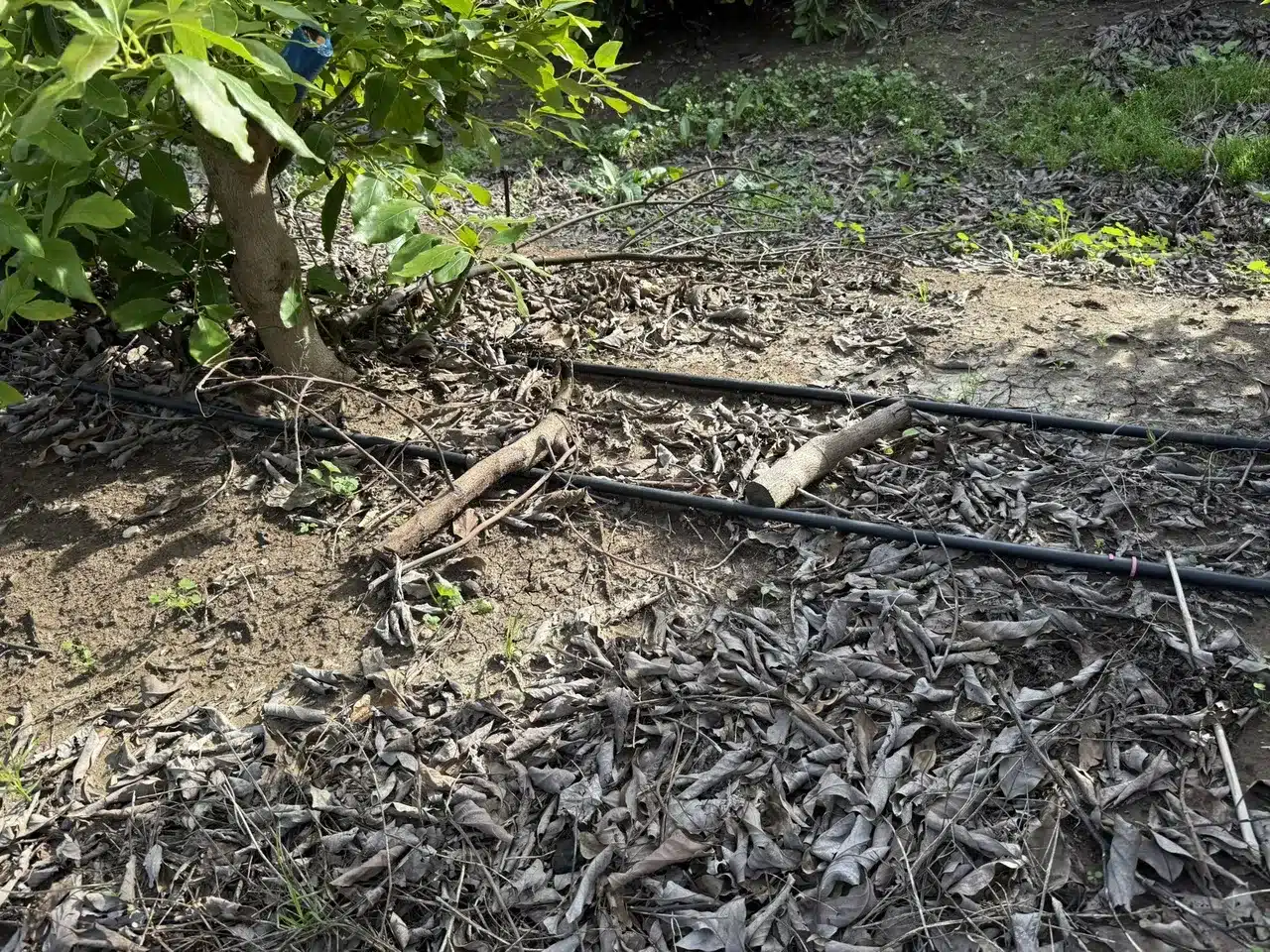
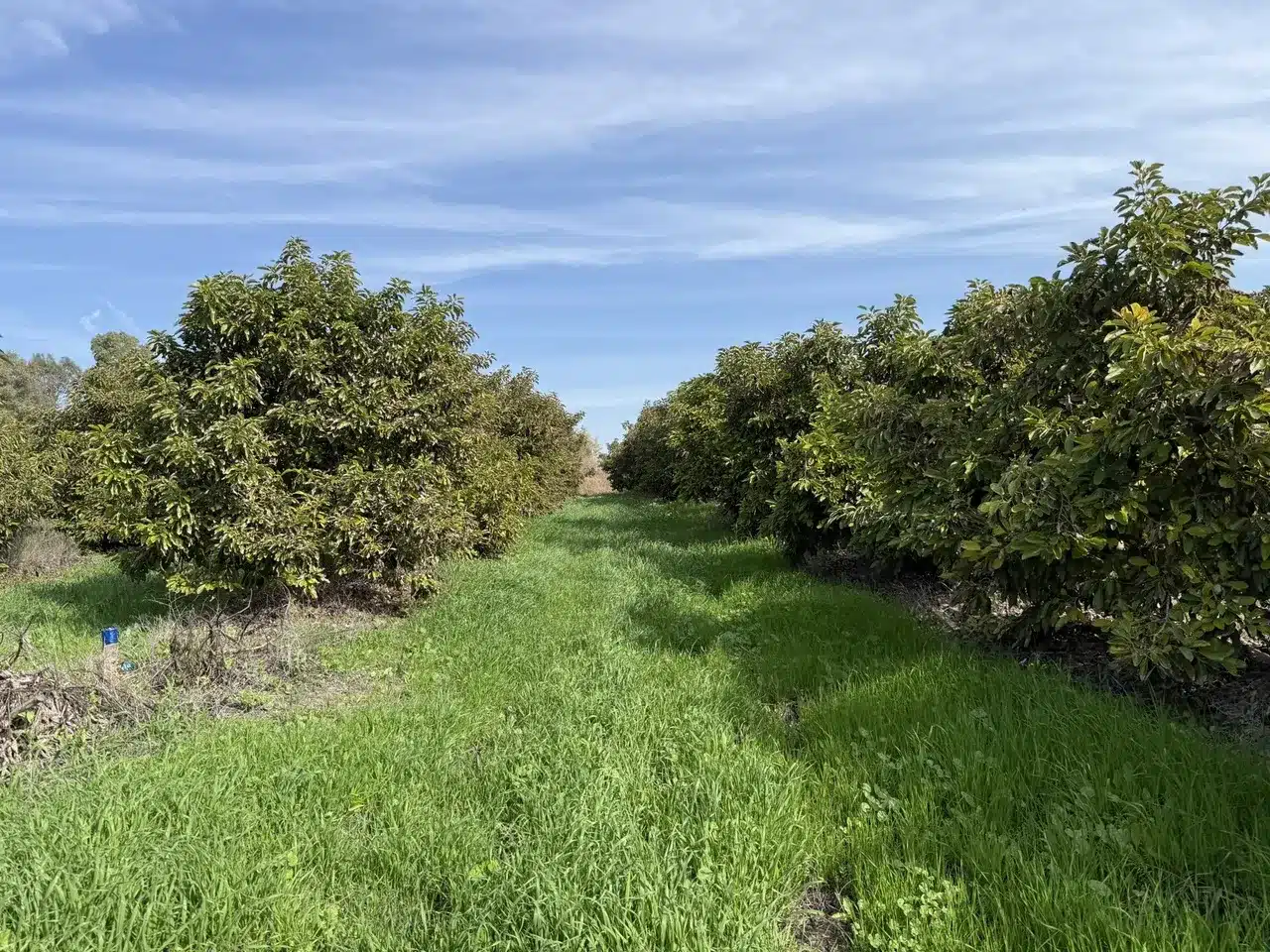
Through this pilot project, Rivulis Climate is helping Israeli growers transition from intensive row crop systems to sustainable avocado orchards that deliver long-term value for both farmers and the environment. By combining advanced micro-irrigation and fertigation with intercropping and soil-building practices, the project is creating a practical pathway toward more resilient farming and measurable climate impact.
Location
Israel
Area [ha]
136
  • 572 tCO2e/project/yr
  • 7 Growers participating

Rivulis Climate Sustainable Orchards (RCSO)

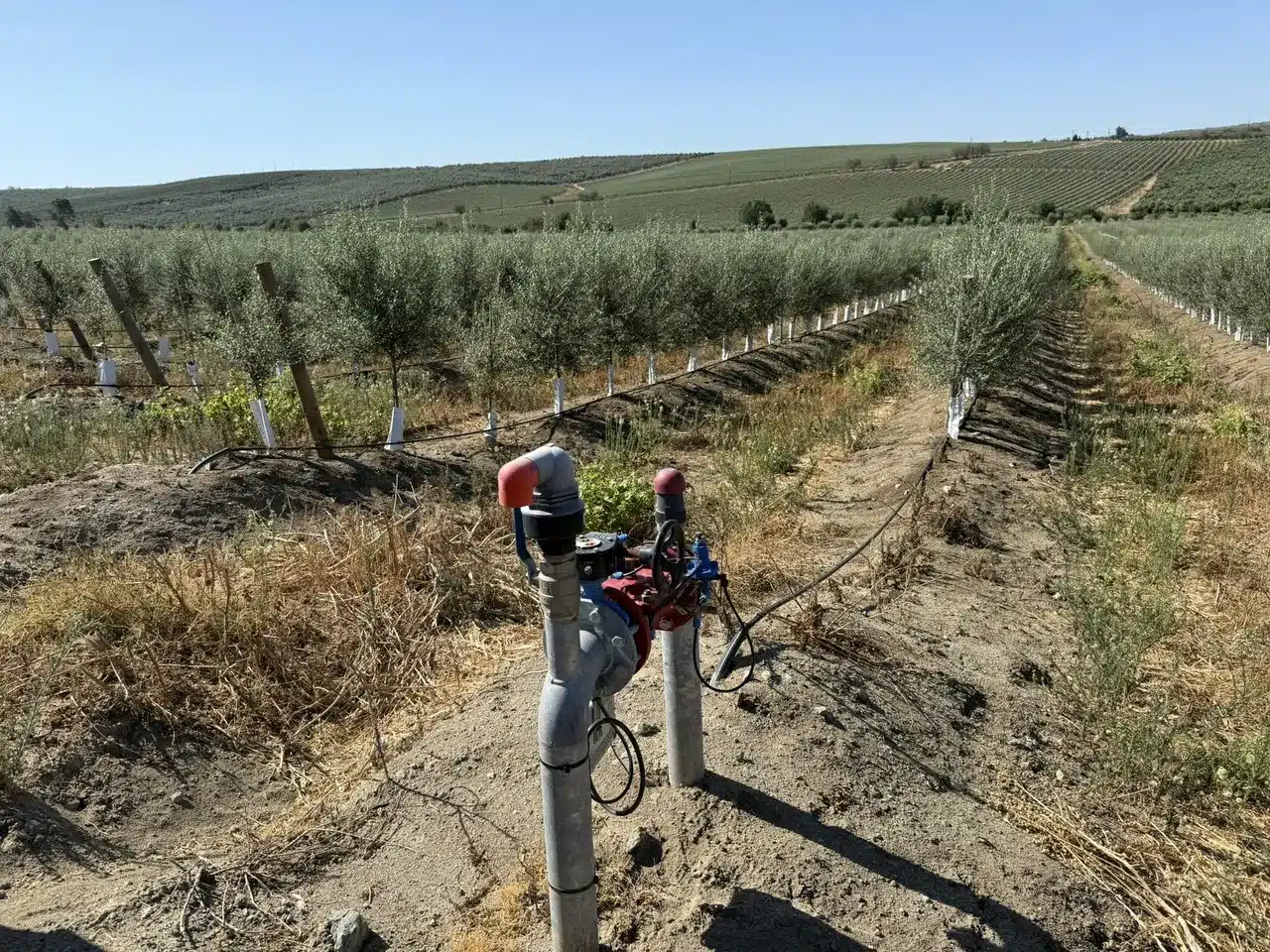
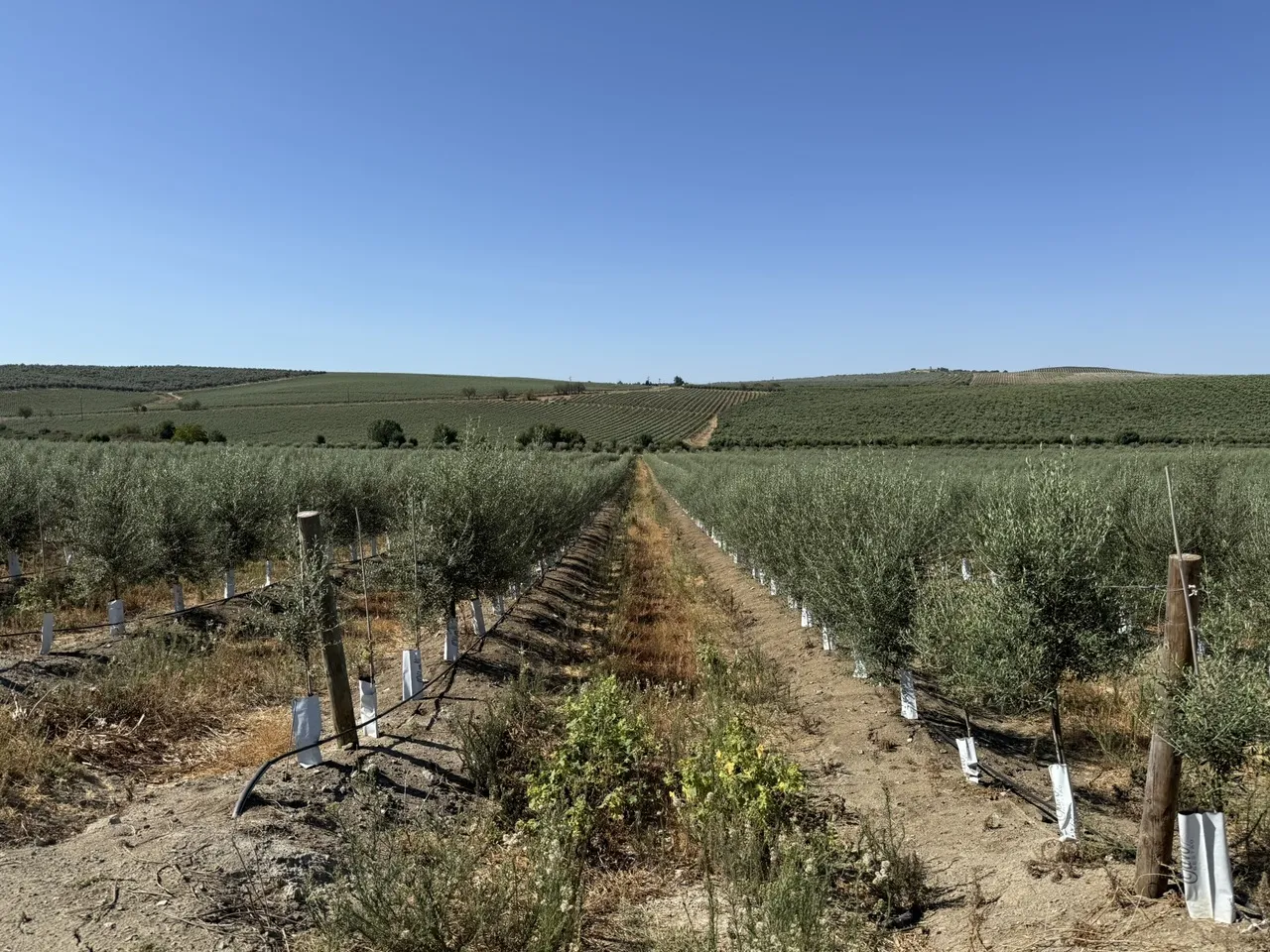
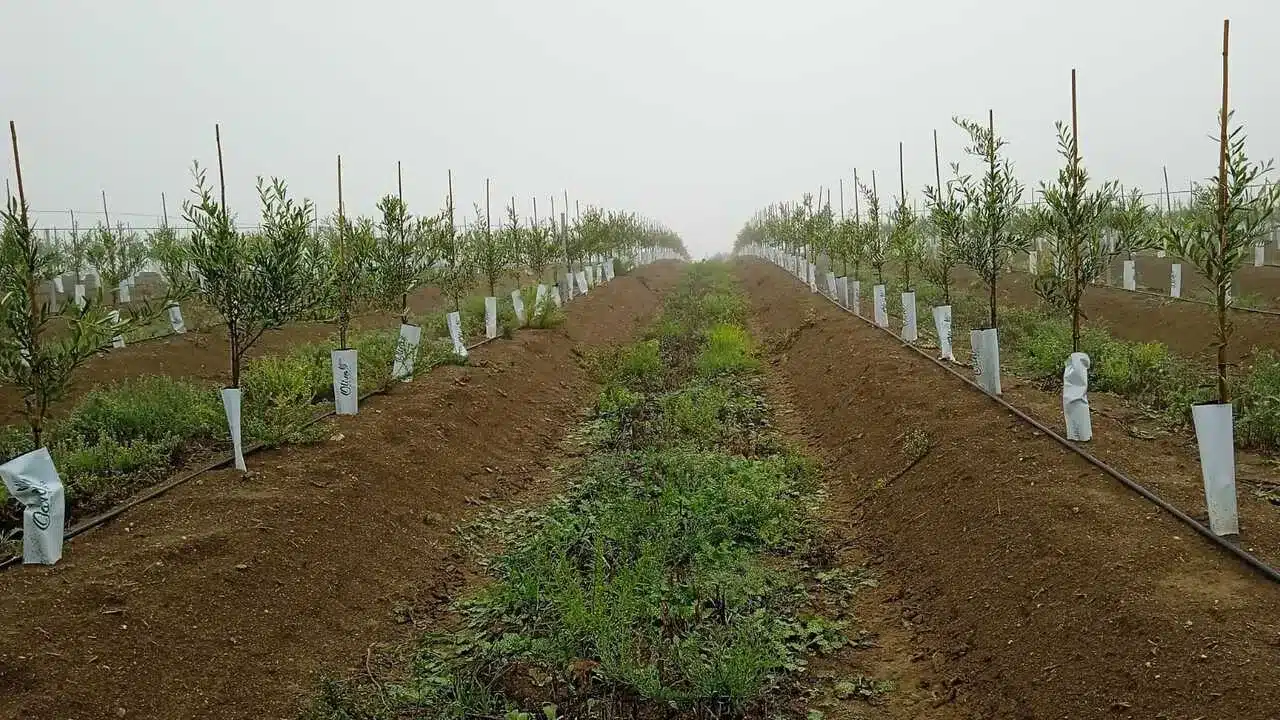
Across the Iberian Peninsula, this Rivulis Climate project supports growers in transitioning from intensive row crop cultivation to sustainable olive and almond orchards. By combining advanced micro-irrigation and fertigation with regenerative practices such as intercropping and the incorporation of plant residues into the soil, the project helps improve soil health, increase water-use efficiency, and strengthen farm resilience. The transition to long-term orchard systems demonstrates how agriculture can create lasting value for growers while delivering measurable environmental and climate benefits.
Location
Iberian Peninsula
Area [ha]
114
  • 456 tCO2e/project/yr
  • 3 - 4Growers participating

Rivulis Climate Row Crops in Italy (RCRC)

This flagship Rivulis Climate project supports Italian growers on their journey from conventional row crop farming to regenerative agriculture. Working closely with farmers, Rivulis Climate helps implement practices such as reduced tillage, cover crops, organic compost, drip irrigation, and fertigation, creating a gradual, practical transition that fits real farming operations. The result is healthier soils, more efficient use of resources, greater farm resilience, and measurable climate benefits, demonstrating how agriculture can evolve without compromising productivity.
Location
Italy
Area [ha]
3,441
Project in Numbers
  • 6,000 tCO2e/project/yr
  • 13 Growers participating

Agrisolero Carbon Farming in Northern Italy (ACFNI)

This pilot project marks the first step in Rivulis Climate's vision for regenerative agriculture in Italy. Working alongside a single farmer, the project supports the transition from conventional row crop cultivation to regenerative practices, including reduced tillage, cover crops, organic compost, drip irrigation, and fertigation. By testing and refining these approaches under real farming conditions, the project demonstrates how practical changes in the field can improve soil health, strengthen farm resilience, and generate measurable climate benefits.
Location
Italy
Area [ha]
82.5
Project in Numbers
  • 290 tCO2e/project/yr
  • 1 Growers participating

Sustainable Perennial Orchards in Israel (SPOI)

This pioneering Rivulis Climate project supports growers across Israel in transforming agricultural landscapes through the transition from intensive row crop cultivation to fruit and nut orchards, including olive, almond, carob, and pomegranate trees. By combining micro-irrigation and fertigation with practices such as intercropping and the incorporation of plant residues into the soil, the project helps build healthier soils, improve water-use efficiency, and create more resilient farming systems. The result is a long-term approach to agriculture that delivers value for growers while generating measurable environmental and climate benefits.
Location
Israel
Area [ha]
255
Project in Numbers
  • 902 tCO2e/project/yr
  • 9 Growers participating

Avocado Agroforestry Project in Israel (AAGPI)

Through this pilot project, Rivulis Climate is helping Israeli growers transition from intensive row crop systems to sustainable avocado orchards that deliver long-term value for both farmers and the environment. By combining advanced micro-irrigation and fertigation with intercropping and soil-building practices, the project is creating a practical pathway toward more resilient farming and measurable climate impact.
Location
Israel
Area [ha]
136
Project in Numbers
  • 572 tCO2e/project/yr
  • 7 Growers participating

Rivulis Climate Sustainable Orchards (RCSO)

Across the Iberian Peninsula, this Rivulis Climate project supports growers in transitioning from intensive row crop cultivation to sustainable olive and almond orchards. By combining advanced micro-irrigation and fertigation with regenerative practices such as intercropping and the incorporation of plant residues into the soil, the project helps improve soil health, increase water-use efficiency, and strengthen farm resilience. The transition to long-term orchard systems demonstrates how agriculture can create lasting value for growers while delivering measurable environmental and climate benefits.
Location
Iberian Peninsula
Area [ha]
114
Project in Numbers
  • 456 tCO2e/project/yr
  • 3 - 4Growers participating

Prepare some FAQ:

How does drip irrigation improve soil health?

Drip delivers water slowly and precisely to the root zone, avoiding soil compaction and runoff that comes with overhead irrigation. Since the soil surface stays intact and aerated, beneficial microbial life thrives, and organic matter builds up rather than eroding. Healthier soil holds water and nutrients better, which means stronger root systems and, over the seasons, a living soil that stores more carbon.

What do Energy Savings look like in the field?

Central Pivot and Rain Gun irrigation and diesel-driven pumping move large volumes of water at high pressure, burning fuel and running pumps far longer than necessary. Micro Irrigation requires less water and operates at lower pressure, pumps run shorter and draw less energy. In practice that means lower operating costs every season, less equipment wear, and a smaller emissions footprint. Those reduced emissions aren’t just a saving; they can become a measurable part of the carbon project itself.

What does a cover crop actually do for my soil in a Carbon Credit project?

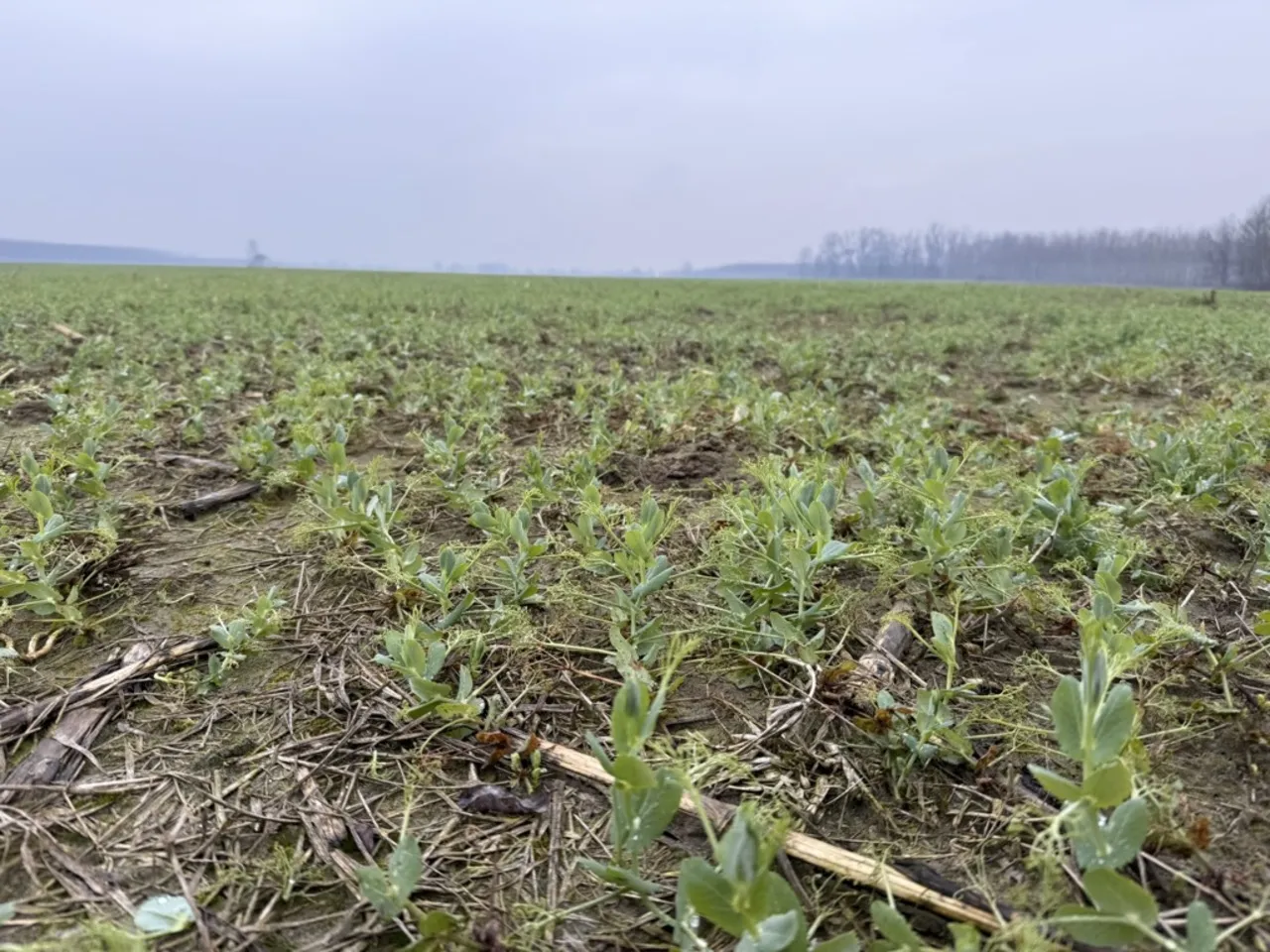
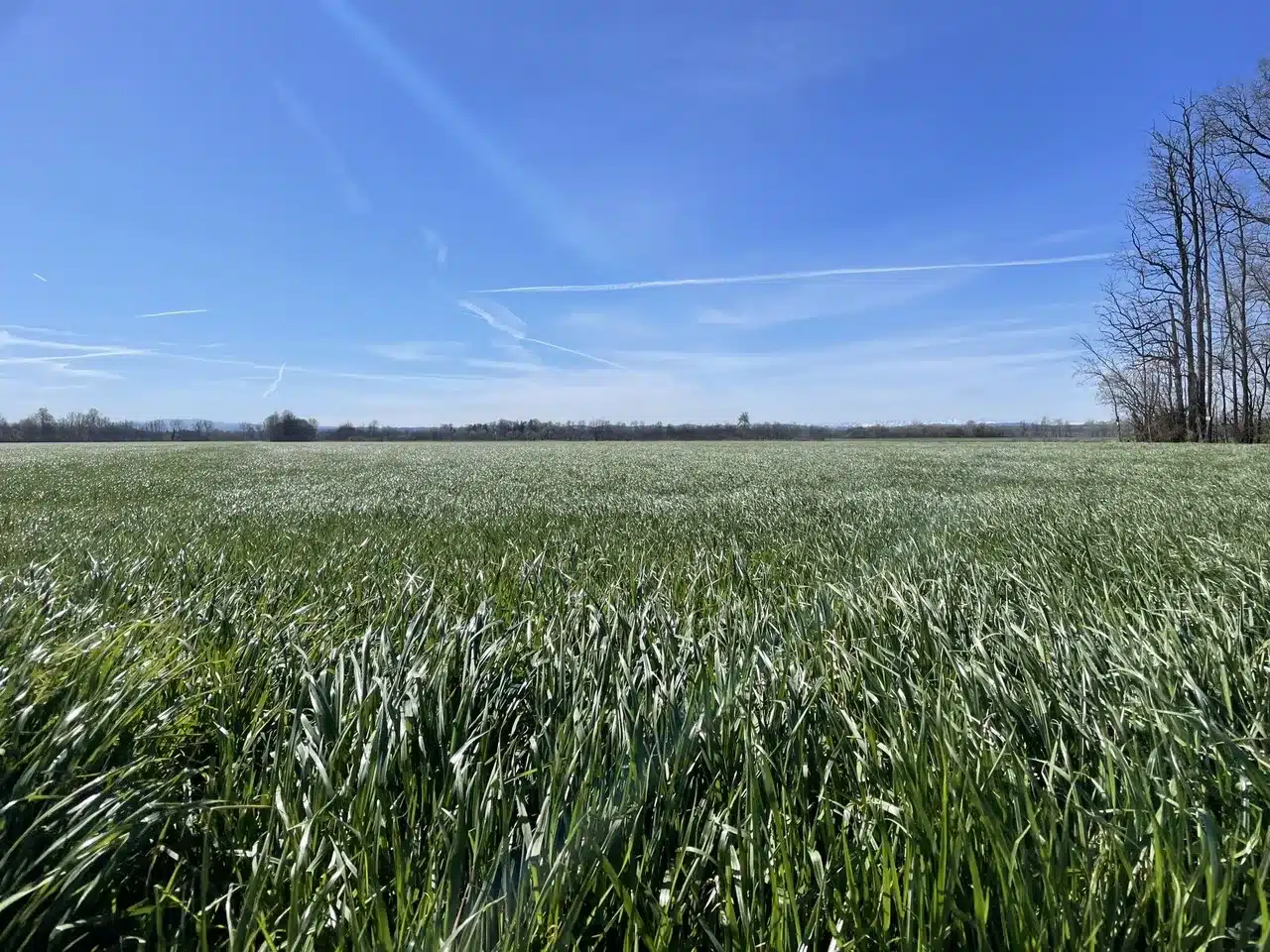
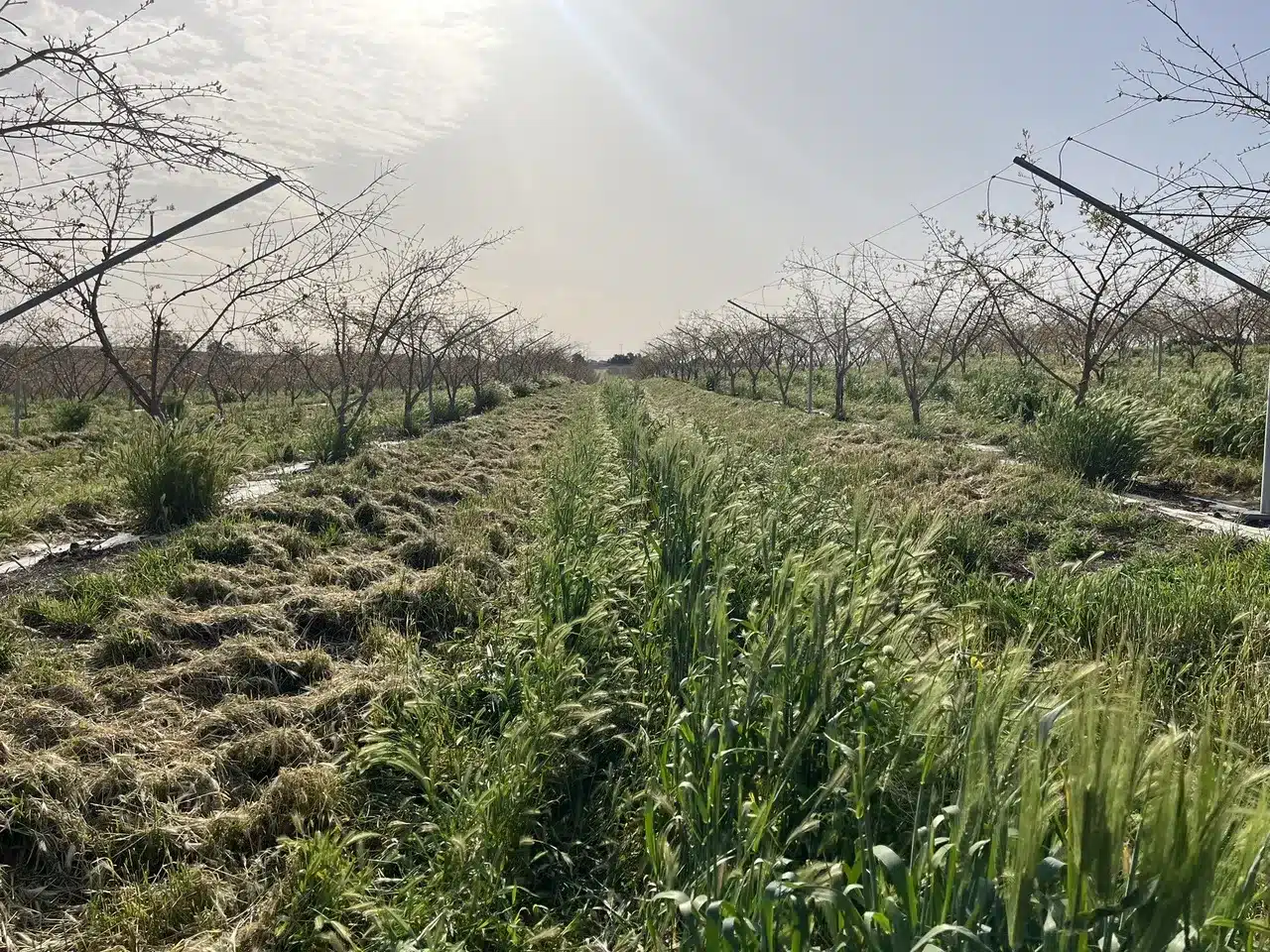
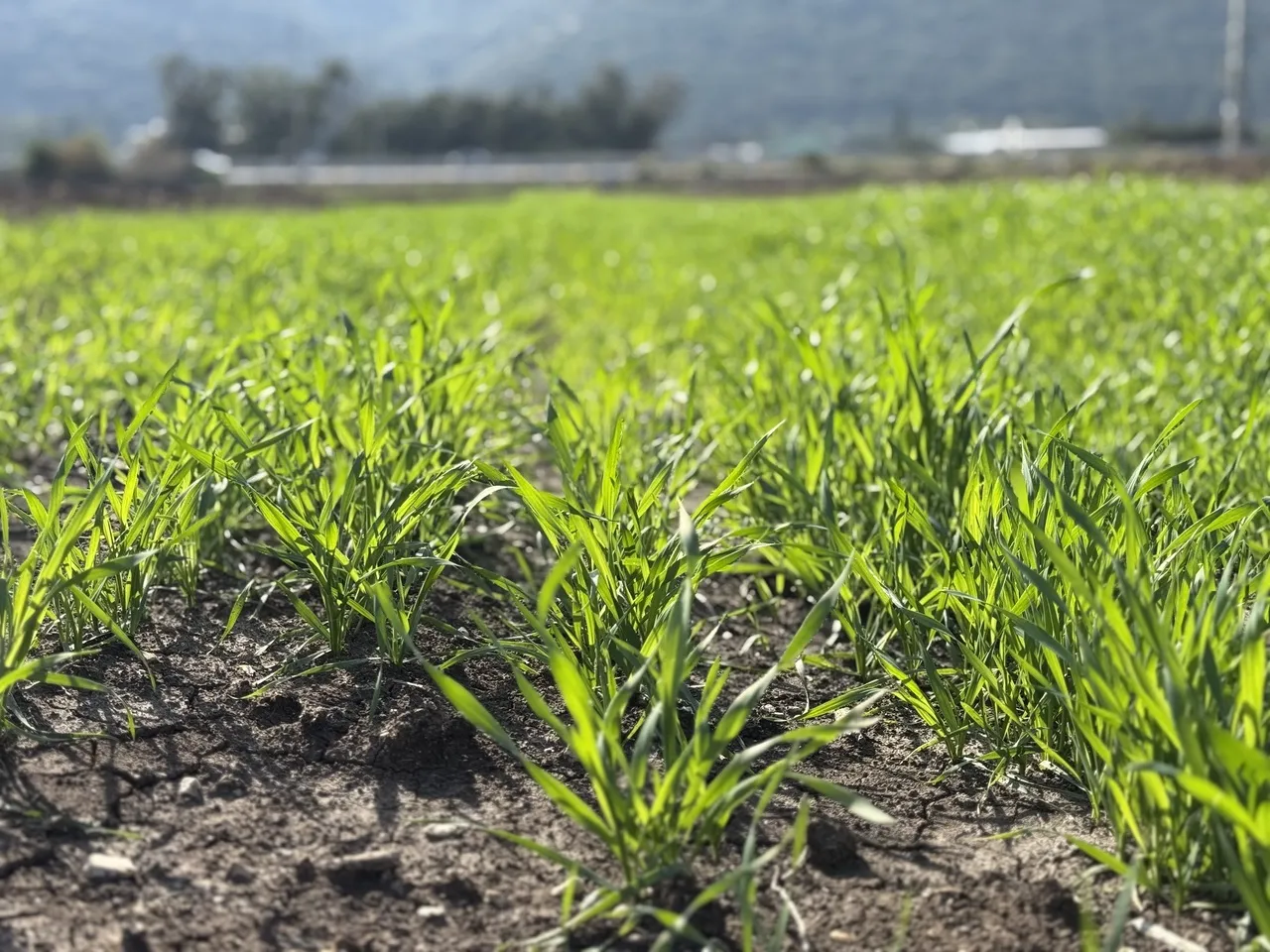
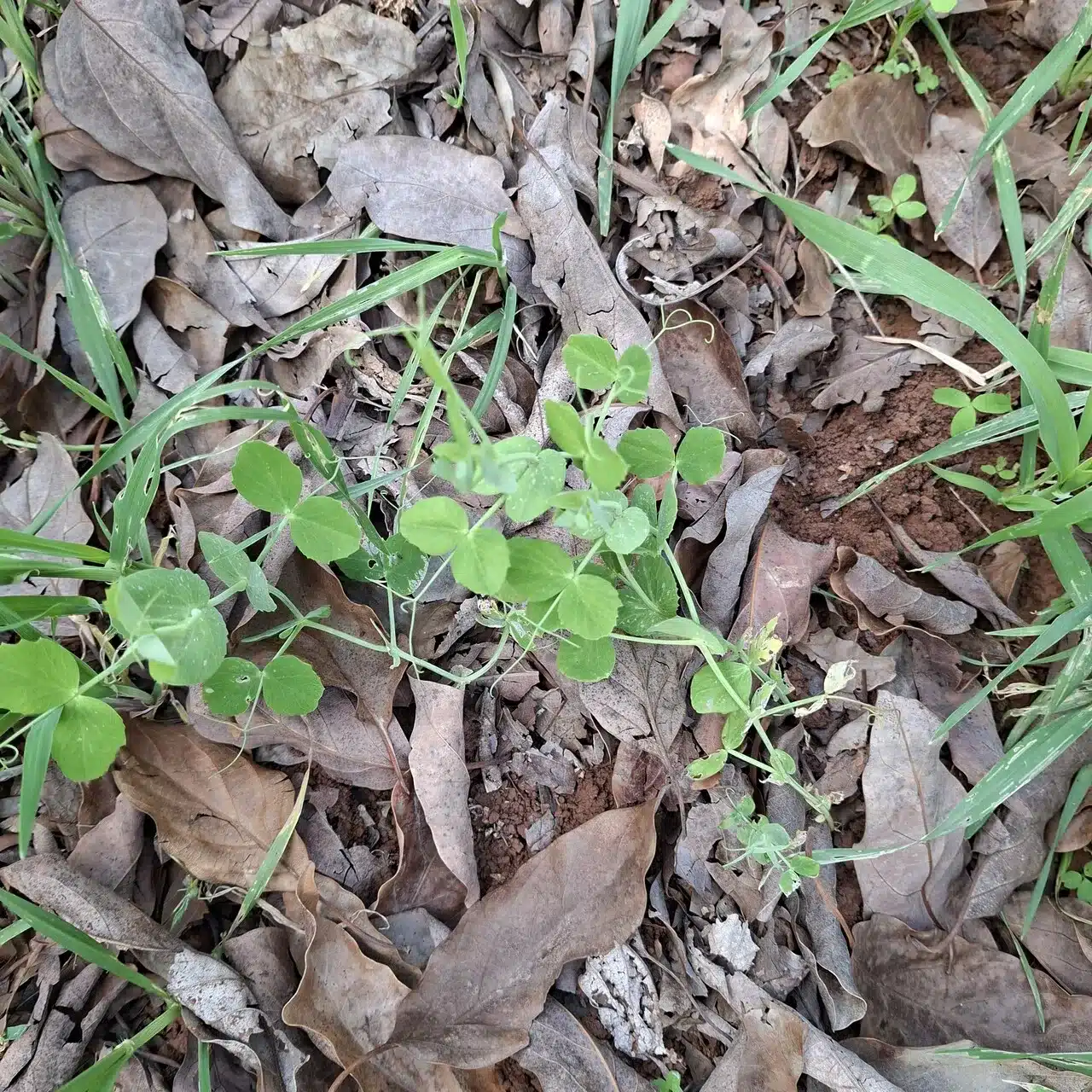
A cover crop is a plant grown between cash crops to protect and feed the soil rather than to harvest. While it grows, it shields the surface from erosion, suppresses weeds, and keeps living roots in the ground that feed soil microbes year-round. When it’s terminated, it breaks down into organic matter that improves structure, water-holding capacity, and fertility, potentially reducing how much fertilizer you need next season. For a carbon project, cover crops are one of the most impacts we have: they pull carbon from the atmosphere and lock it into the soil as stored organic carbon, which is exactly what generates verified, sellable carbon credits.

Beyond yield, how can my farm earn from sustainable practices?

By adopting the suite of regenerative agriculture practices like drip irrigation, cover cropping, and reduced tillage you can do more than grow a better crop, you can build soil carbon and cut emissions, adding immense value to both the soil and your pocket. Through a carbon credit project, the measurable carbon your farm stores and the emissions it reduces can be verified and sold as credits, creating a new income stream that’s separate from what you earn at harvest. At the same time, these practices lower your input costs; less water, fuel, and fertilizer, turning sustainability into a monetary return.

How does reduced tillage help my soil, costs, and carbon?

Every time soil is tilled, its structure is broken up, and stored carbon is released into the atmosphere as CO₂. Reducing or eliminating tillage keeps that carbon in the ground, preserves the networks of roots and fungi that hold soil together, and protects the moisture and microbial life near the surface. The benefits stack: healthier, more resilient soil that needs less water; fewer passes across the field, which cuts fuel, labor, and machinery costs; and far less carbon lost from disturbance. For a carbon project, low tillage is one of the clearest, most verifiable ways to protect and grow the carbon your soil holds.

It all depends on the grower

We are looking for a collaborative farmer committed to adopting regenerative and sustainable agricultural practices.

As part of the Rivulis Climate Program, our partners should be dedicated to building a long-term relationship with us and be open to sharing information.
 The primary motivation for joining this program is not financial gain, but a shared commitment to meaningful, lasting change for our agriculture land.

Contact Form

Are you a farmer or agribusiness owner looking to adopt sustainable practices and unlock new revenue through the Voluntary Carbon Market?

Leave your details below, and our Rivulis Climate experts will contact you to show how we can manage the entire process for you.
    You are a stakeholder and want to be consulted

    As part of our commitment to develop carbon credits projects under the highest international standards, we have developed a stringent Local Stakeholder Consultation protocol that allows any stakeholder to provide us with feedback or grievance about any Rivulis Climate project.

    A stakeholder is defined as “Any person or entity who can potentially affect or be affected by the project activities”. A stakeholder group consists of individual stakeholders who derive similar income, livelihood, well-being and/or cultural values from the project and whose values are different from those of other groups. Rivulis Climate aims to ensure that all concerns, complaints, and grievances related to our projects are acknowledged, heard and addressed in a timely manner. The Rivulis Climate’s Local Stakeholder Consultation protocol establishes a fair, transparent, and culturally appropriate process for resolving disputes that may arise between Rivulis Climate and any stakeholder affected by our projects.

    If you would like to provide feedback and share a grievance, please fill the form below and we will contact you within 10 business days.

      Learn more about our Environmental, Sustainability, and Governance initiatives here.

      Please, visit our site
      using another browser