Pressure Loss vs Pressure Differential: What Every Grower Should Know
In drip irrigation, pressure is everything. But not all pressure changes mean the same thing.
Growers often encounter two related but distinct concepts: pressure loss and pressure differential. Understanding both, and how to monitor them, is crucial for maintaining system efficiency and ultimately healthy crops.
What is Pressure Loss?
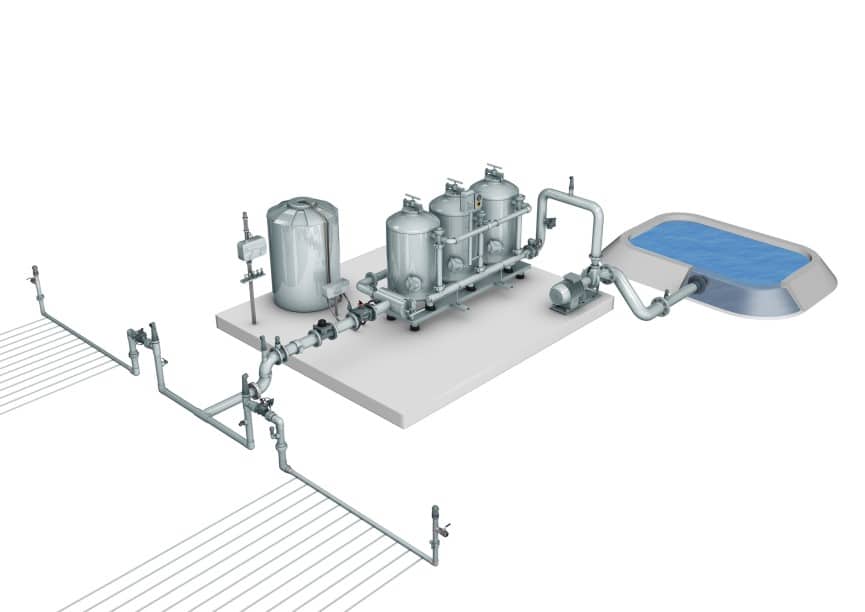
Pressure loss refers to the gradual reduction in water pressure as it travels through the irrigation system. This loss is a natural result of friction within pipes, filters, valves, and drip lines. Good hydraulic design plans these losses, aiming to deliver the correct pressure at the furthest emitter.
What growers need to understand is how this loss adds up. Every component contributes as every part of the system after the pump will incur pressure loss. What matters is whether the system was designed with these cumulative losses in mind, ensuring that pressure at the end of the line remains within the drip emitter’s operational range.
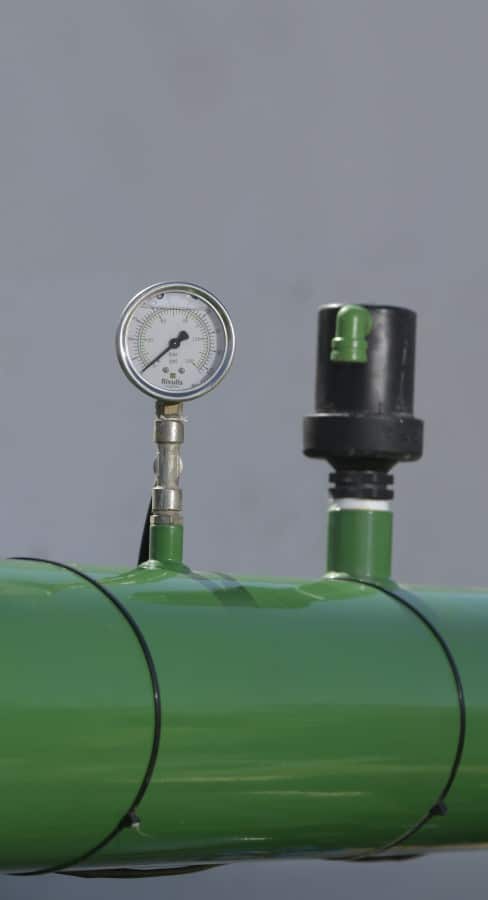
Growers should regularly measure pressure at key points in the field, starting at the head control and ending at the last emitter. Variations may indicate issues such as emitter clogging, leaks, or faulty components.
What is Pressure Differential?
Pressure differential (PD) is the pressure difference measured across a component, such as a filter. This differential is a key performance indicator that it is functioning correctly.
For example, a filter should maintain a pressure differential below a certain threshold when clean. A rise in PD suggests clogging; a drop may indicate the filter is not providing protection due to a breakage of the filtering mechanism. This is especially true for sand media filters, where internal channeling or media loss can reduce PD.
Routine measurement allows growers to monitor when maintenance is needed before irrigation performance suffers.
How to Measure
For pressure:
- Measure field pressure at all key locations throughout the system, from the pump through to the last field block. There will be pressure loss from the start to the end, but this is expected and should have been accounted for in design.
- At each point, compare against design specifications and watch for variances. A change of pressure could indicate a leak or a blockage.
For pressure differential:
- Measure the difference between the upstream and downstream pressure on each side of the component being measured.
- Log values throughout the season.
- Clean or inspect components when differential varies beyond accepted limits.
Both pressure measurement and pressure differential are different windows into system and component health. By understanding and regularly checking both, growers can identify problems early, protect crop performance, and extend system life.
“We work with growers all over the world and we know that pressure monitoring is a key part of good system maintenance,” says Matt Clift, Director of Global Product Management & Marketing at Rivulis. “Pressure readings are easy to track, and should not be overlooked. When comparing to the original hydraulic plans and supplier information for products such as filters, growers can find problems early and make informed decisions to protect their crops.”
For more in-depth guidance on pressure loss, differential, filter maintenance, and more, Rivulis have developed the most comprehensive online resource available for drip irrigation system design, operation, and troubleshooting. Available at: https://www.rivulis.com/knowledge-hub/
Discover more